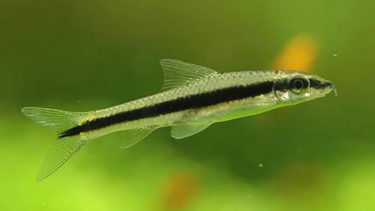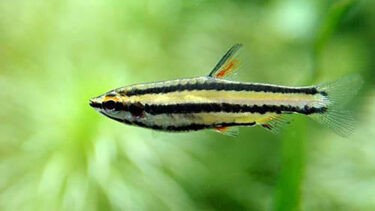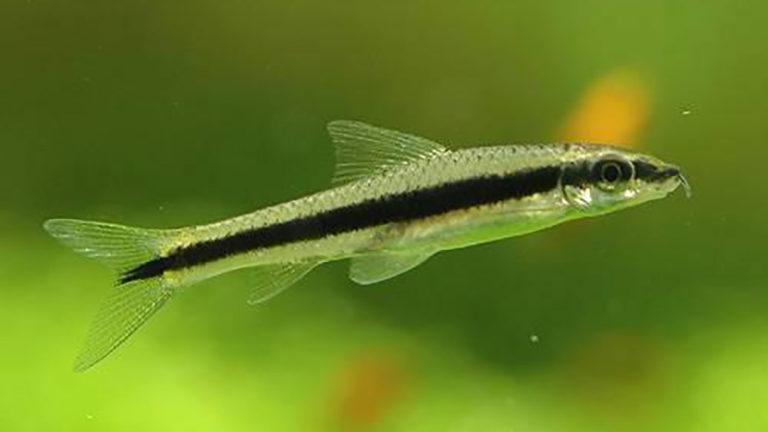
水槽の壁面やレイアウト素材にじわじわと広がってくる黒髭ゴケ——アクアリストを悩ませるこの手強いコケを、黙々と食べ続けてくれる心強い存在がいます。それがSiamese Flying Foxです。口元から尾びれの先端まで一直線に走る黒いラインと、その力強いシルエットは、一度見たら忘れられない存在感があります。
サイアミーズ・フライングフォックスは、コイ目コイ科に分類される熱帯魚で、学名は Crossocheilus oblongus(クロッソケイルス・オブロングス)。原産地はタイ・マレーシアをはじめとする東南アジアの河川で、流れのある環境を好みます。「サイアミーズ(Siamese)」とはタイの旧国名「シャム国」に由来する言葉で、まさにタイを象徴する名前が付けられています。コケ取り能力の高さから、草食系熱帯魚の中でも特に重宝される種類です。初心者の方から上級者まで、水草水槽・レイアウト水槽を管理する方にとって非常に頼りになる一匹です。
この記事をまとめると
- 黒髭ゴケ・アオミドロを食べる希少なコケ取り魚で、草食系熱帯魚の中でも特に頼りになる存在
- 成長すると縄張り意識が強まるため、隠れ場所の確保と混泳相手の選定が重要
- 市販の人工飼料に慣れるとコケを食べなくなることがあるため、エサの与え方に工夫が必要
迷ったらこれを選べば間違いなし(水槽セット)
GEX マリーナ600BKST LED&デュアルクリーンセット ── 水槽・フィルター・LEDライトが一式揃う飼育スタートセット

 ポチップ
ポチップ合わせて揃えたい(コケ取り魚向けフード)
Tetra プレコのエサ ── 草食系熱帯魚の健康を支える植物質タブレット

What is Siamese Flying Fox?
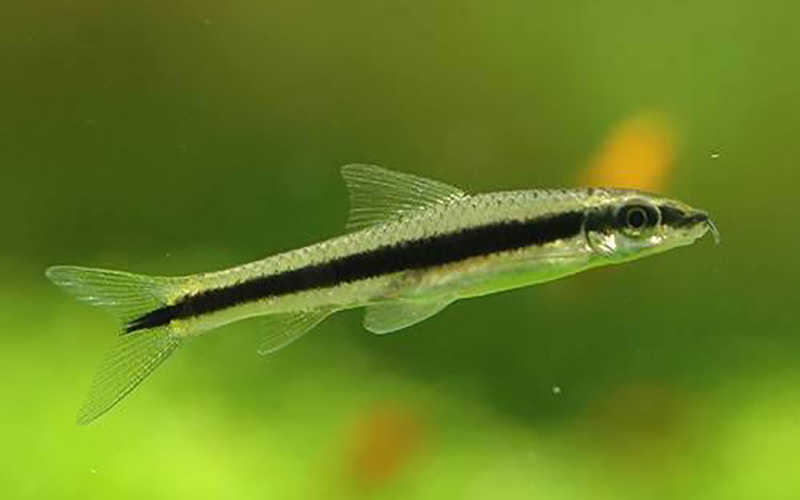
サイアミーズ・フライングフォックスの最大の特徴は、吻端(口の先端)から尾びれの先まで一直線に走る太い黒色のラインです。このラインの上部は茶色〜オリーブ色を帯びた体色で覆われており、下部は白く抜けています。シンプルながら見るほどに惹き込まれる独特の美しさがあります。成魚の体長は約10〜15cmとやや大きめに育ちます。
体の形は細長く流線型で、速い流れの中でも底に張り付くように泳ぐことができます。口は下向きに開いており、岩やガラス面・水草の葉にへばりついてコケをそぎ取るように食べる姿は、何時間見ていても飽きません。雑食性ではありますが植物性の食物を特に好み、黒髭ゴケ(紅藻類)・アオミドロ・糸状ゴケなど、他のコケ取り生体が敬遠しがちな種類まで積極的に食べてくれる点が最大の魅力です。
サイアミーズ・フライングフォックスの成り立ち・歴史
サイアミーズ・フライングフォックスは、タイ(旧称:シャム国)・マレーシア・ボルネオ島などの東南アジアを流れる河川に広く生息しています。現地では急流や中流域の石や岩の多い底付近に生息し、自然環境では流れてくる藻類や植物片・小型無脊椎動物などを食べて生活しています。
アクアリウム界での歴史は比較的長く、1970〜80年代にかけてコケ取り魚として欧米のアクアリストの間で注目を集めました。日本へは1980年代後半〜90年代に本格的に輸入が始まり、水草レイアウト水槽が普及するにつれて「黒髭ゴケを食べる魚」として一躍有名になりました。現在は東南アジアの養殖個体が安定して流通しており、熱帯魚専門店であれば入手は比較的容易です。
ただし、流通の際にしばしば「フライングフォックス」(Epalzeorhynchos kalopterus)や「シャムフライングフォックス」と混同されることがあります。見分けのポイントは黒いラインの入り方と、ヒレの色。サイアミーズ・フライングフォックスは背ビレ・腹ビレなどのヒレに色がほとんどなく透明に近いのに対し、フライングフォックス(別種)はヒレに黒や橙の色が入る傾向があります。購入時には店員さんに学名を確認するか、実物のヒレの色をよく確認しましょう。
飼育アドバイス:見た目が似た「フライングフォックス」とは別種で、コケ取り能力や性格に差があります。購入時は「サイアミーズ」かどうかをしっかり確認してから連れて帰るのが安心です。
熱帯魚専門店に初めて足を踏み入れたとき、「こんなに種類があるのか」と圧倒された経験はありませんか。水槽の中を流れるように泳ぐ青と赤の光、岩陰でゆっくりと体を揺らす優雅な大型魚、ガラス越しに輝く宝石のような小さなエビ。価格も大きさも見た[…]

How to keep a Siamese Flying Fox
飼育の基本を押さえれば、初心者の方でも十分に長期飼育できる丈夫な魚です。まずは基本スペックと水槽・底砂・フィルター・ヒーター・エサのポイントをしっかり確認しておきましょう。
基本スペック一覧
| 項目 | 目安・詳細 |
|---|---|
| 学名 | Crossocheilus oblongus |
| 分類 | コイ目 コイ科 |
| 原産地 | タイ・マレーシア・ボルネオ島など東南アジア |
| 体長 | 約10〜15cm(飼育環境によって異なる) |
| 寿命 | 約5〜10年(良好な環境では10年を超えるケースも) |
| 適水温 | 24〜28℃(ヒーター必須) |
| 適pH | 5.5〜7.0(弱酸性〜中性) |
| 水硬度(GH) | 5〜15°dH(軟水〜中硬水) |
| 推奨水槽 | 60cm以上(成魚は90cm以上が理想) |
| filter (esp. camera) | 外部フィルター・上部フィルター(適度な水流があると良い) |
| heater | 必要(26℃固定式またはサーモ+ヒーターセット) |
| feed | 植物質系フレーク・沈下型タブレット・コケ類(主食) |
| 難易度 | ★★☆☆☆(比較的容易・エサ管理に注意) |
表に関する補足
体長について:幼魚期は3〜5cm程度で販売されていることが多いですが、良好な飼育環境では最大15cmに達することもあります。購入時のサイズだけで水槽サイズを判断せず、成魚のサイズを念頭に置いた水槽選びをしてください。
難易度について:水質への適応力は高く、飼育自体は容易です。ただし、「コケを食べさせる」という目的での飼育には、エサの与え方や水草レイアウトとのバランスなど独自の管理ポイントがあるため、★★(やや注意が必要)としています。
水槽の選び方
サイアミーズ・フライングフォックスは活発に泳ぎ回り、成魚になると体長が10cmを超えます。そのため、最低でも60cm水槽(約57L)を用意することをおすすめします。1〜2匹の少数飼育なら60cmでも問題ありませんが、複数匹を飼育する場合や成魚の縄張り争いを防ぐためには、90cm以上の水槽があると安心です。
水槽内には、流木・石・土管などの隠れ場所を複数設けることが大切です。サイアミーズ・フライングフォックスは成長するにつれて縄張り意識が強くなるため、それぞれが身を隠せるスペースを確保することで、個体同士のケンカを軽減できます。水草を多めにレイアウトすることも、縄張りの分散に有効です。
水槽選びで迷ったときは、LEDライト・フィルターがセットになった製品を選ぶと、一度に必要な器具を揃えられるので便利です。はじめての熱帯魚飼育でも安心してスタートできます。
これから水槽を用意する方には、必要な器具が一式揃ったセット商品が特におすすめです。
おすすめ(水槽セット・60cm)
GEX マリーナ600BKST LED&デュアルクリーンセット ── 水槽・フィルター・LEDライトが一式揃う飼育スタートセット
60cm水槽・上部フィルター(デュアルクリーン600SP)・LEDライトがひとまとめになったオールインワンセットです。「何を買えばいいかわからない」という方でも、届いた日からすぐに水槽の立ち上げに取り掛かれる構成で、器具を一点ずつ揃える手間がかかりません。フィルターは物理ろ過と生物ろ過の二段階に対応しており、サイアミーズ・フライングフォックスのような中型魚を複数匹飼育する水槽でも安定したろ過能力を発揮します。LEDライトは水槽内を明るく照らし、コケの観察や観賞魚としての楽しみも高めてくれる頼もしいセットです。
ポチップ飼育アドバイス:水槽は「小さめを買って後で大きくする」より、最初から60cm以上を選ぶほうが水質が安定しやすく、結果的に魚も長生きさせやすくなります。
底砂の選び方
サイアミーズ・フライングフォックスは底付近で生活し、石や底砂の表面についたコケをついばむように食べます。そのため、底砂の素材選びは意外と重要なポイントです。角が鋭く尖った砂利は、コケをついばむ際に口元を傷つける原因になることがあります。なめらかな角のない細砂や天然砂を選ぶことで、魚にとって優しい底面環境を作ることができます。
素材としては細かめの砂利・天然砂・ソイルが適しています。ソイルは弱酸性の水質を維持しやすく、サイアミーズ・フライングフォックスの好む水質(pH 5.5〜7.0)との相性も良好です。ただし、ソイルは1〜2年で崩れてくるため、定期的な交換が必要になる点も覚えておきましょう。砂利や天然砂は長期間使えるため、管理の手間を抑えたい方にはこちらが向いています。
底砂の厚さは3〜5cm程度が使いやすい目安です。薄すぎると通水性が悪くなり汚れが溜まりやすく、厚すぎると嫌気層(酸素のない層)が形成されて有害なガスが発生するリスクがあります。清掃時は底砂専用のクリーナーポンプを使って定期的に汚れを吸い出すと、水質を良い状態で保ちやすくなります。
底砂選びに迷ったら、魚に優しいなめらかな天然砂がおすすめです。
おすすめ(底砂・熱帯魚全般)
Suisaku 国産 水槽の天然砂 川砂 ── 口元にやさしい丸みのある天然砂
国内産の天然川砂を使用した底砂で、粒が細かく丸みを帯びているため、底付近でコケをついばむサイアミーズ・フライングフォックスの口元を傷つける心配がありません。水質への影響が少なく、バクテリアの定着もしやすいため、立ち上げ直後から安定した水質を保ちやすい点が魅力です。見た目も自然な川底を再現できるため、レイアウト水槽にも馴染みます。

飼育アドバイス:底砂は一度敷くとなかなか替えにくいので、最初からなめらかな素材を選んでおくと後々の手間が省けます。魚が底砂をつつく種類なら特に、素材の安全性を優先してください。
フィルターの選び方
サイアミーズ・フライングフォックスは東南アジアの流れのある河川が原産のため、ある程度の水流を好みます。外部フィルター(キャニスターフィルター)や上部フィルターが特におすすめです。外部フィルターは静音性が高く、水草水槽との相性も抜群です。
投げ込みフィルターやスポンジフィルターだけでは、60cm以上の水槽には水流・ろ過能力ともに不足することが多いため、メインフィルターとしては外部または上部フィルターを選ぶのが賢明です。水質を安定させることが、コケの過剰な発生を防ぐことにもつながります。
フィルターの排水口を工夫して適度な水流を作ると、魚の健康維持だけでなく酸素供給にも役立ちます。ただし、流れが強すぎると他の魚がストレスを受けることがあるので、排水口の向きを水槽の壁面に当てて分散させるなどの調整をしてください。
フィルター選びには、設置が簡単で扱いやすい外掛け式も人気の選択肢のひとつです。
おすすめ(フィルター・小〜中型水槽向け)
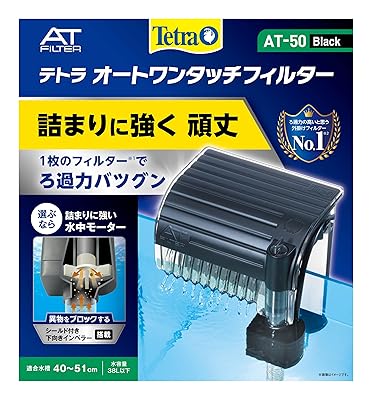
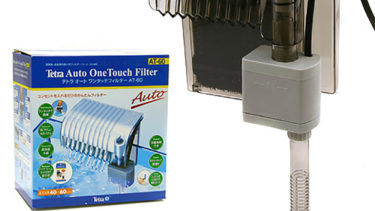
Tetra オートワンタッチフィルター ATシリーズ ── 水槽に掛けるだけですぐ使える外掛け式フィルター
水槽のフチに引っ掛けるだけで設置できる外掛け式フィルターで、配管や接続パーツが不要なため初めての方でも簡単に使い始められます。モーターと水量調節機能が一体化しており、排水量を絞ることで水流を弱めに調整できる点もポイントです。サイアミーズ・フライングフォックスは水流を好みますが、混泳魚に合わせて水流を調節したい場面でも対応しやすいフィルターです。
飼育アドバイス:コケ取り屋として働いてもらうには「少しお腹を空かせておく」くらいのエサ管理がちょうど良く、水槽管理がぐっと楽になります。
How to choose a heater
サイアミーズ・フライングフォックスは熱帯魚ですので、国内での飼育にはヒーターが必須です。適水温は24〜28℃で、年間を通じて26℃前後を維持することが最も管理しやすい設定です。水温が20℃を下回ると動きが鈍くなり、免疫力が低下して病気にかかりやすくなります。
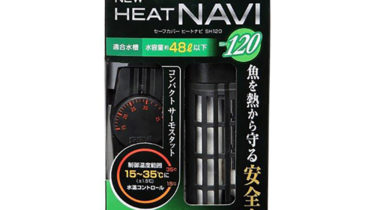
初心者の方には26℃固定式のヒーターが最もシンプルで使いやすくおすすめです。サーモスタット一体型のタイプを選べば、余分な配線も不要で水槽をすっきりと管理できます。万が一の故障に備えて、予備のヒーターを1本用意しておくとさらに安心です。
ヒーター選びに迷ったら、安全機能付きで扱いやすい製品を選ぶのがポイントです。
おすすめ(ヒーター・熱帯魚全般)
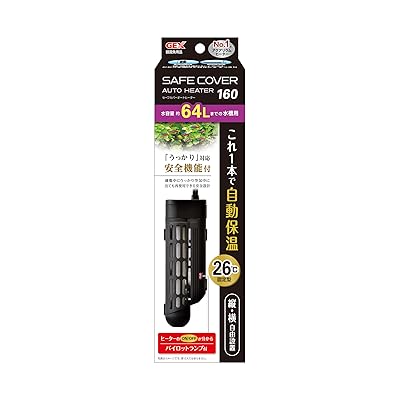
GEX AQUA HEATER セーフカバーオートヒーター ── 安全カバー付きで初心者でも安心の定番オートヒーター
温度固定式(26℃)のオートヒーターで、複雑な設定が不要なため初めてヒーターを使う方に特に向いている製品です。ヒーター本体をカバーが覆う設計になっており、魚がヒーターに直接触れて低温やけどを起こすリスクを軽減してくれます。コンパクトで水槽内への設置スペースを取らず、レイアウトの邪魔になりにくい点も嬉しいポイントです。
 ポチップ
ポチップ飼育アドバイス:ヒーターは水槽の縁ギリギリまで水を入れた状態で使用するのが基本です。水位が下がりすぎると空焚き状態になるため、こまめな水位チェックも忘れずに。
エサの選び方
サイアミーズ・フライングフォックスは雑食性ですが、植物性のものを特に好んで食べます。市販の植物質系フレークフードや沈下型のタブレットを補助的に与えるのが基本ですが、ここで重要な注意点があります。
人工飼料をたくさん与えると、コケを食べなくなってしまうことがあります。コケ取り目的でサイアミーズ・フライングフォックスを導入した場合は、人工飼料は他の混泳魚のエサのついでに少量食べる程度に留めるのが理想的です。水槽内にコケが十分ある状態であれば、人工飼料を与えなくても健康に過ごせます。
また、食欲が旺盛なため他の魚のエサを横取りしてしまうことがあります。沈降性のエサをほかの魚に与えている場合は、サイアミーズ・フライングフォックスが食べ尽くしていないかを確認する習慣をつけましょう。
コケ取り魚に与えるフードは、植物性原料主体の沈下型タブレットが最適です。
おすすめ(コケ取り魚向けフード)
Tetra プレコのエサ ── 草食系熱帯魚の健康を支える植物質タブレット
スピルリナ(藻類)や植物エキスを豊富に配合した沈下型タブレットで、コケ取り魚の健康維持に必要な植物性栄養素をしっかり補給できます。サイアミーズ・フライングフォックスのような草食系の熱帯魚に少量与えることで、コケが少ない時期の栄養補助として最適です。タブレットが底に沈むため、底付近で生活する本種にも食べやすい形状です。
水槽を立ち上げたばかりの頃、ヒーターのコーナーに立ってみると種類の多さに戸惑った経験はありませんか?「オートヒーター」「サーモスタット一体型」「観賞魚用クーラー」――棚を眺めるほど、どれを選べばいいのか分からなくなってしまうものです。[…]
Points to keep in mind when mixing swimmers
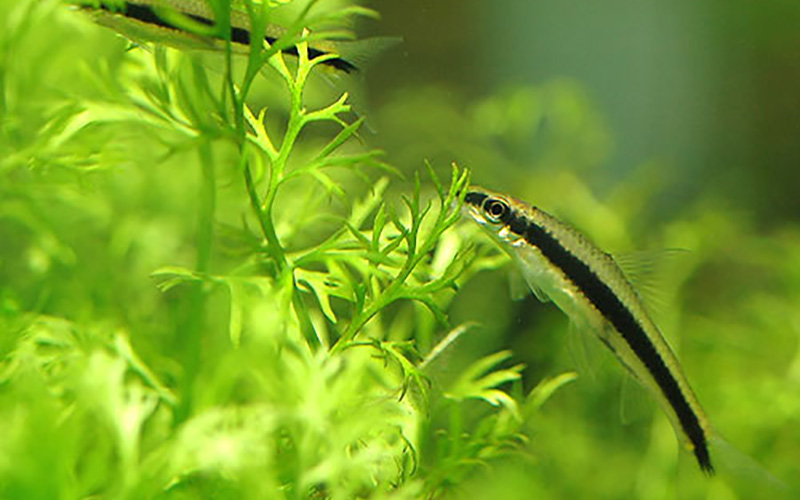
サイアミーズ・フライングフォックスは、幼魚のうちは比較的温和ですが、成長するにつれて縄張り意識が強くなるという特徴があります。特に同種・近縁種に対して追い回す行動が目立つようになるため、混泳相手の選定と水槽レイアウトの工夫が大切なポイントです。
食欲が旺盛なため、泳ぎの苦手な魚や底で餌を食べる魚と一緒にする際は、餌が全員に行き渡っているかを確認する習慣をつけてください。縄張り意識の強い個体は一定のエリアを「自分の場所」と認識するため、流木や岩で視覚的な障壁を作ることが非常に有効です。
混泳に向いている種
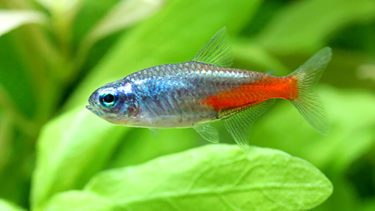
- ネオンテトラ ─ 小型で温和なため相性が良く、サイアミーズの縄張り対象になりにくい
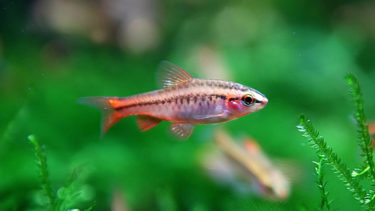
- カージナルテトラ ─ 同様にカラシン系小型魚として問題なく共存できる
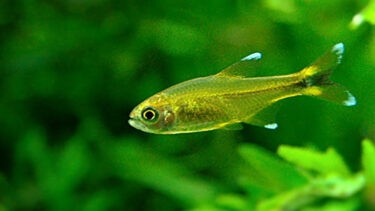
- ラスボラ・エスペイ ─ 中層を泳ぐため、底付近のサイアミーズと遊泳層が重なりにくい
- コリドラス ─ 底物同士だが性格が穏やかで、サイアミーズとのトラブルは少ない
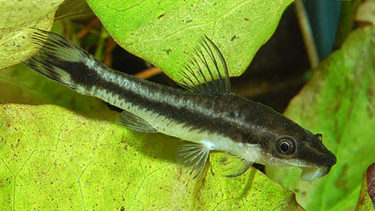
- オトシンクルス ─ ガラス面のコケを担当する役割分担が自然にでき、相互補完的な関係になる
- ヤマトヌマエビ ─ コケ取りの相棒として非常に相性が良く、草食系水槽に最適な組み合わせ
- プレコ(小型種) ─ 流木をなめる習性があり、サイアミーズと役割が分担できる
要注意の種
- 同種(サイアミーズ・フライングフォックス同士) ─ 成長後に縄張り争いが激化することがあるため、十分な広さと隠れ場所が必要
- フライングフォックス(別種) ─ 外見が似ており混同されやすいが、より攻撃的な場合がある
- 底層を泳ぐ小型プレコ ─ 同じ底層の縄張りを巡って衝突することがある
混泳を避けたほうがいい種
- エンゼルフィッシュ ─ サイアミーズのヒレをかじる行動が報告されており、双方のストレスになりやすい
- アロワナ・大型肉食魚 ─ サイアミーズが捕食対象になる危険性が高い
- ディスカス ─ 穏やかな水流・高水温(28〜30℃)を好むディスカスとは飼育条件が合いにくい
- グッピー・ベタなど長いヒレを持つ魚 ─ サイアミーズがヒレに興味を示してつつく可能性がある
飼育アドバイス:縄張り争いは水槽サイズと隠れ場所の数でほとんどコントロールできます。レイアウトに一工夫するだけで、複数匹がうまく共存できる水槽に変わります。
水槽の中を流れるように群れ泳ぐ、青と赤の鮮やかなライン——熱帯魚をはじめて見た方でも、思わず「きれい」と声が出てしまうような魚がいます。それがネオンテトラです。名前の由来にもなったメタリックブルーのネオンのような輝きは、熱帯魚の中でもひ[…]
Points about spawning
産卵のタイミングと繁殖の難しさ
サイアミーズ・フライングフォックスは、一般的な飼育環境での繁殖情報が非常に少ない魚として知られています。アクアリウムでの繁殖成功例はごくまれで、国内での繁殖報告はほとんどありません。市場に出回っている個体の多くは東南アジアの養殖場(タイ・マレーシアなど)で繁殖されたものが輸入されており、ホルモン投与によって産卵を誘発しているケースが一般的です。
自然界では雨季のはじまりに伴う水位上昇・水温低下・流量増加などの環境変化が繁殖のトリガーになると考えられています。水草を多く入れた環境で、水温をやや低め(24℃前後)に保ちながら水換えの量を増やすことで、繁殖行動を誘発できる可能性はあります。
産卵〜稚魚育成の流れ(参考情報)
| ステップ | 内容 |
|---|---|
| 1. 環境整備 | 水草(ウィローモス・アナカリスなど)を豊富に入れ、水温をやや低め(24℃前後)に設定。水換えを通常より多めに行い水質を刺激する |
| 2. 産卵確認 | 水草の葉や底付近に透明〜白っぽい小さな卵が付着していれば産卵成功。稀なケースのため、日常的に観察する習慣が大切 |
| 3. 卵の保護 | 親魚に卵を食べられるリスクがあるため、産卵を確認したら卵ごと水草を別水槽へ移動させると安全 |
| 4. 稚魚育成 | 孵化後はインフゾリア(微生物)や液状稚魚フードで育成。成長とともに細かく砕いたフレークフードに切り替える |
飼育アドバイス:繁殖を狙うよりも、水草をたっぷり入れた水槽でのびのびと飼育することを目指すほうが、結果的に長生きさせることができて満足度も高まります。
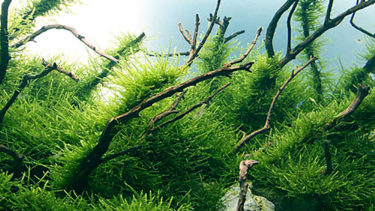
流木にふんわりと苔むし、まるで水の中の森のような雰囲気を醸し出す——そんな幻想的なアクアリウムのレイアウトを可能にしてくれる水草が、ウィローモスです。コケ特有の柔らかな緑色が、水槽に奥行きと時間の流れを与えてくれる、唯一無二の存在感を持[…]
What to look for when keeping a Siamese Flying Fox
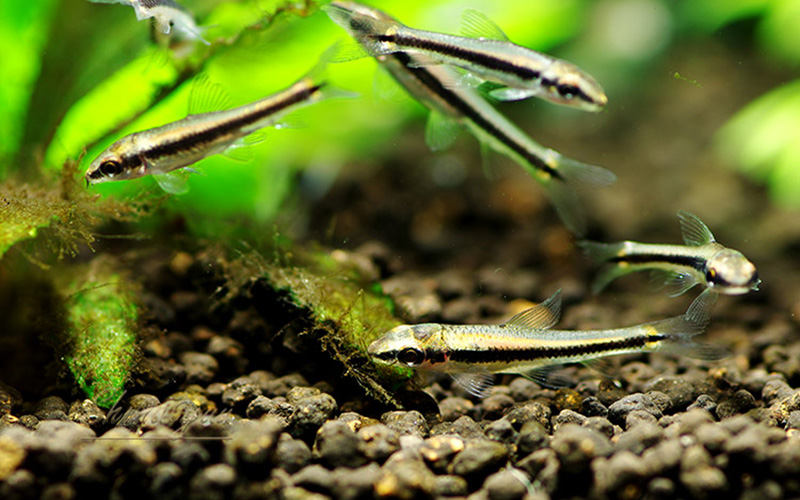
人工飼料に慣れるとコケを食べなくなることがある
これはサイアミーズ・フライングフォックスを飼育する上で最も重要な注意点のひとつです。市販のフレークフードや沈下型タブレットを多く与えると、コケよりも美味しい人工飼料を優先するようになります。コケ取り目的で導入した場合は、人工飼料の量は「他の魚のおこぼれ程度」に抑えることが理想です。
成長とともに縄張り意識が強くなる
幼魚期は温和に見えますが、体長が5cmを超えてくる頃から縄張り意識が顕著になってきます。特に同種・近縁種に対して追い回す行動が目立ち始めます。水槽の広さ・隠れ場所の確保・混泳相手の見直しを早めに行うことが長期飼育のコツです。
幼魚時と成魚時でコケ取り能力が変化する
幼魚のうちは積極的にコケを食べますが、成魚になるとコケ取り頻度がやや低下することがあります。水槽内のコケの量・人工飼料の量のバランスを見ながら管理することが大切です。
飛び出しに要注意
サイアミーズ・フライングフォックスは泳ぎが速く、驚いた際や興奮時に水面から飛び出すことがあります。水槽には必ずフタ(ガラス蓋やアクリル蓋)を設置してください。フィルターの配管スペースなど、わずかな隙間からも飛び出す可能性があるため、隙間をスポンジや専用のフタカバーで塞いでおくと安心です。
購入時の種の確認を忘れずに
流通の際に「フライングフォックス」(Epalzeorhynchos kalopterus)や他の近縁種と混同されることがあります。コケ取り能力・性格に差があるため、購入前に学名またはヒレの色(透明かどうか)を確認することをおすすめします。
かかりやすい病気と対策・予防
サイアミーズ・フライングフォックスは比較的丈夫な魚ですが、水質の悪化や水温の急変時には病気にかかることがあります。主な病気とその対処法を確認しておきましょう。
ich (Ichthyophthirius multifiliis)
体表に白いゴマ粒状の点が現れる、最もよく見られる熱帯魚の病気です。原因は「ウオノカイセンチュウ」という寄生虫で、水温の急変や免疫力の低下時に発症しやすくなります。
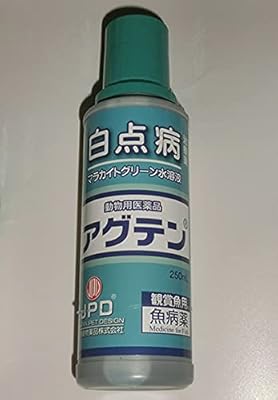
- 治療:「グリーンFゴールド顆粒」や「アグテン」を規定量で薬浴。水温を28〜30℃に上げて寄生虫の生活環を乱すことも有効
- 予防:水温を安定させる(ヒーターの定期点検)・水換えは水温を合わせてから行う
おすすめ(白点病・寄生虫症向け薬品)
日本動物薬品 アグテン ── 白点病・コショウ病に効く水草・エビに安心の定番薬
マラカイトグリーンを主成分とした魚病薬で、白点病・コショウ病(ウーディニウム症)に高い効果を発揮します。水草やエビへの影響が比較的少ないため、レイアウト水槽のまま薬浴できるケースが多い点が嬉しいポイントです。早期に発見して使用することで、進行を素早く食い止めることができます。
degenerative eye disorder caused by cloudiness in front of the pupil
ヒレの先端から溶けるように欠けていく細菌性の病気です。カラムナリス菌(Flavobacterium columnare)が原因で、水質悪化・傷口からの感染が主な要因です。
- 治療:「グリーンFゴールド顆粒」または「エルバージュエース」で薬浴。早期発見・早期治療が完治の鍵
- 予防:定期的な水換えで水質を清潔に保つ・混泳個体との傷つけ合いを防ぐ
おすすめ(尾ぐされ病・細菌性感染症向け薬品)
日本動物薬品 エルバージュエース ── 細菌性疾患に強い高い効き目の魚病薬
エンロフロキサシンを主成分とする抗菌薬で、尾ぐされ病・穴あき病・エロモナス症などの細菌性疾患に高い効果を発揮します。少量で効果が得られるため、薬浴時に濃度管理がしやすい点もアクアリストから支持されている理由のひとつです。ヒレが欠け始めた初期段階での使用が最も効果的です。

water mold
体表や傷口に白いふわふわした綿状のかたまりが現れる病気です。真菌(水カビ)が原因で、傷口や弱った個体に感染しやすい病気です。
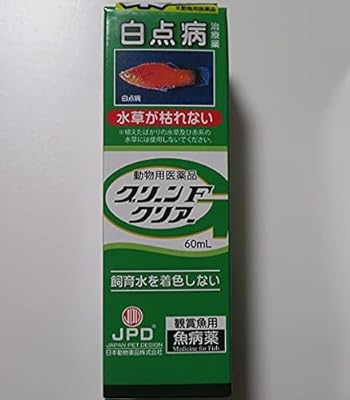
- 治療:「新グリーンFクリア」での薬浴が有効。患部が大きい場合はピンセットで丁寧に取り除いてから薬浴する
- 予防:傷を作らないよう混泳相手・レイアウトの素材(鋭利な石など)に注意する
おすすめ(水カビ病・白点病向け薬品)
日本動物薬品 新グリーンFクリア ── 透明な薬液で水槽を汚さず使いやすい魚病薬
アクリノールを主成分とした透明な液体魚病薬で、水カビ病・白点病・細菌性疾患に効果を発揮します。薬液が透明なため水槽内が着色されにくく、見た目を保ちながら薬浴できる点が好評です。水草への影響が比較的少ない処方となっており、レイアウト水槽での使用もしやすい製品です。
pine cone disease
ウロコが松かさ状に逆立つ病気で、エロモナス菌の感染が原因です。体内の浸透圧調節が乱れ、腹部が膨らむ症状を伴うこともあります。治療が難しく、早期発見が重要です。
- 治療:「グリーンFゴールドリキッド」を規定量で薬浴。重症例では観パラDの薬浴または経口投与が有効とされる
- 予防:水質の悪化・急激な温度変化・ストレスの多い環境を避ける。免疫力を維持するための定期的な水換えが最大の予防策
おすすめ(松かさ病・エロモナス感染症向け薬品)
日本動物薬品 グリーンFゴールドリキッド ── 松かさ病・穴あき病に効く細菌感染症の定番薬
フラン剤系の抗菌成分を配合した魚病薬で、エロモナス菌による松かさ病・穴あき病のほか、カラムナリス菌による尾ぐされ病にも効果を発揮します。液体タイプのため水に溶かしやすく、薬浴の準備がスムーズに行えます。松かさ病は進行が早い病気のため、ウロコの逆立ちに気づいたら迷わず早めに使用することが大切です。

病気を防ぐ基本ケア
- 週1回・全水量の1/4〜1/3を目安に定期的な水換えを行う
- 水換え時は水温・水質(pH)をしっかり合わせてから投入する
- フィルターのろ材は月1回程度、飼育水(カルキ抜き済みの水)で軽くすすいでバクテリアを維持する
おすすめ(水質調整剤・日常管理向け)
Tetra パーフェクト ウォーター ── カルキ抜き・水質調整・魚のコンディション維持を一本でまかなう万能水質調整剤
水換えのたびに使う水質調整剤として、カルキ(残留塩素)の中和はもちろん、重金属の無害化・魚の粘膜保護成分の補給まで一本でカバーする優れものです。水換え後の水質変化を和らげてくれるため、サイアミーズ・フライングフォックスのような敏感な魚の体調管理にも役立ちます。水換えを習慣化するなら、この一本を手元に置いておくと安心です。
- カルキ抜き+水質調整が一本で:別々に揃える手間が省けてコスパも良い
- 粘膜保護成分配合:魚のストレスを軽減し、水換え後の体調安定をサポート
- 重金属無害化:水道水に含まれる微量の重金属を無害化し、水槽環境を安全に保つ

推奨飼育セットの提案
これからサイアミーズ・フライングフォックスの飼育を始める方のために、必要な器具のおすすめをまとめました。コケ取り目的で導入する場合も、基本的な飼育環境の整備が大前提です。
| カテゴリ | おすすめ | 理由 |
|---|---|---|
| water tank | 60cm以上(成魚は90cm推奨) | 成魚は10〜15cmになるため、縄張り行動を抑えるスペースが必要 |
| filter (esp. camera) | 外部フィルター・上部フィルター | 適度な水流と高いろ過能力を両立。水草水槽との相性も良い |
| heater | 26℃固定式またはサーモ+ヒーター | 熱帯魚の必需品。安全機能付きを選ぶと安心 |
| base (logarithmic, exponential, number system) | 細かめの天然砂・ソイル | 底付近でコケをついばむ本種に優しい素材。角が立った砂利は避ける |
| feed | 植物質系フレーク・沈下型タブレット | コケが少ない時期の補助として少量与える。与えすぎ厳禁 |
| water plant | ウィローモス・アヌビアス・ミクロソリウム | 隠れ場所・縄張りの分断・コケのつきにくいレイアウト素材として活用 |
| chemicals | グリーンFゴールドリキッド・アグテン | 白点病・尾ぐされ病・松かさ病それぞれに対応する薬を常備しておくと安心 |
| フタ | ガラス蓋またはアクリル蓋 | 飛び出し事故防止のため必須。隙間はスポンジで塞ぐ |
飼育アドバイス:器具は「後で買い足す」よりも、最初から60cm以上の水槽と外部フィルターをそろえた方が長期的に管理がラクで、結果的にコスト面でも得をすることが多いです。
「フィルターって、どれを選べばいいの?」――アクアリウムを始めようとすると、必ずこの壁にぶつかります。外部式・上部式・投げ込み式・底面式・スポンジ式……種類が多すぎて、どれが自分に合っているのかわからない。「とりあえず安いやつを買ったら[…]
よくある質問(FAQ)
水槽のガラス面や流木にぴたっと張り付いて、黙々とコケを食べつづける小さな体。エンゼルフィッシュやネオンテトラのような派手な色彩はないけれど、この子がいるだけで水槽が締まる——そんな「縁の下の力持ち」的な魅力を持つ熱帯魚がオトシンクルスで[…]
まとめ
サイアミーズ・フライングフォックスは、東南アジア原産のコイ科熱帯魚で、口元から尾びれまで一直線に走る黒いラインが印象的な個性的な魚です。最大の魅力は、多くのコケ取り生体が苦手とする黒髭ゴケ(紅藻類)やアオミドロを積極的に食べてくれる点にあります。水草レイアウト水槽・コミュニティ水槽において、掃除屋として非常に重宝される存在です。
飼育のポイントをまとめると、水槽は60cm以上(成魚は90cm推奨)、底砂はなめらかな天然砂やソイルで口元を守り、ヒーターで26℃前後を維持、フィルターで適度な水流と高いろ過能力を確保することが基本です。そして最も大切なのはエサの与えすぎに注意すること。コケ取り目的で飼育するなら、人工飼料は「おこぼれ程度」に留めるのが黄金ルールです。成長とともに縄張り意識が強くなるため、隠れ場所を複数設けるレイアウトの工夫も長期飼育の秘訣です。
水槽のコケに悩んでいる方には、ヤマトヌマエビとサイアミーズ・フライングフォックスの組み合わせが特におすすめです。互いに得意なコケの種類が異なるため、水槽全体を効率よくきれいに保つことができます。飼育はそれほど難しくなく、基本を押さえれば10年近く長生きしてくれる丈夫な魚です。ぜひ、あなたの水槽の心強い相棒として迎えてみてください。
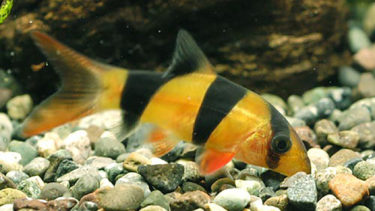
水槽の底をすいすいと泳ぎ回り、黄色と黒の鮮やかな縞模様でひときわ目を引く魚——それがクラウンローチです。「ピエロ(Clown)」という名前が示すとおり、その派手な衣装のような体色は、アクアリウム初心者から上級者まで多くの人を虜にして[…]