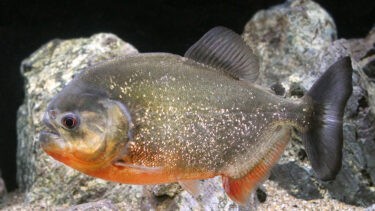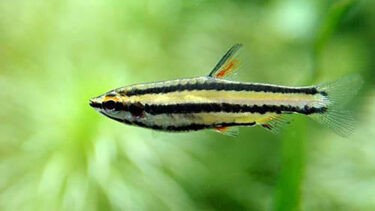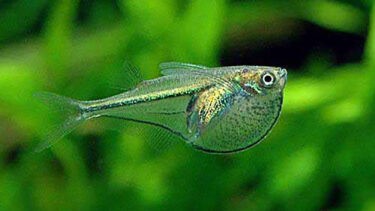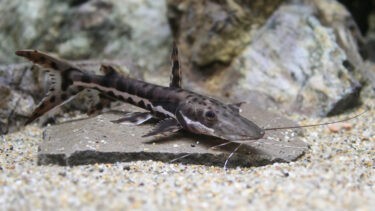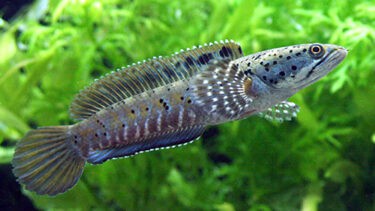
水槽に顔を近づけると、銀色の鱗が照明を反射してキラリと輝く——その瞬間、思わず息をのんだことはありませんか。ピラニア・ナッテリーは、「世界で最も恐ろしい魚」として映画やメディアに何度も登場してきた、あのピラニアの代表種です。鋭い歯と力強い顎、そして銀灰色の鱗に散りばめられた細かな輝き——威圧感と美しさが同居する、まさに唯一無二の存在感を持つ熱帯魚です。
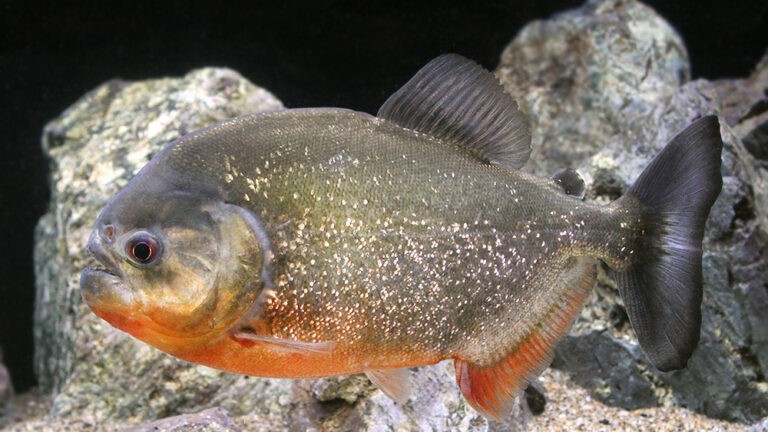
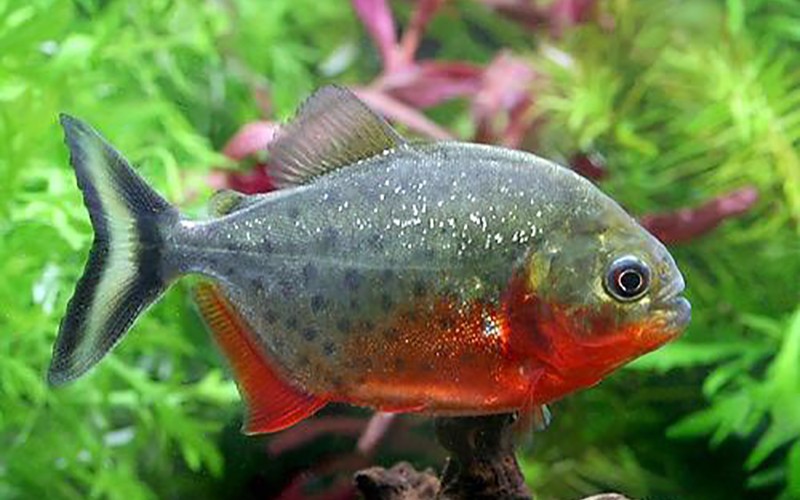
ピラニア・ナッテリーは、カラシン目カラシン科ピゴケントルス属(学名:Pygocentrus nattereri)に分類される熱帯魚で、南アメリカのアマゾン川・オリノコ川流域を原産地とします。楕円形に近い体型で、成魚になると腹部から胸部にかけて鮮やかなオレンジ〜赤みがかった色が差す個体も多く、銀色の下地と相まって非常に迫力があります。体長は飼育下で30〜40cmに達することもあり、大型魚の貫禄を存分に楽しめます。「ピラニアを飼いたい」と思った方が真っ先に辿り着くのがこの種で、ペットショップでは「ピラニア」として販売されていることがほとんどです。
この記事をまとめると
- 単独飼育が基本——強い縄張り意識と肉食性から、混泳は同種か底物系に限定が安全
- 水温26〜28℃・弱酸性(pH5.5〜7.0)の維持がピラニアの長期飼育に最重要
- 給餌は人工飼料への慣らしが水質管理のカギ——生餌多用は水を汚しやすい
迷ったらこれを選べば間違いなし(水槽セット)
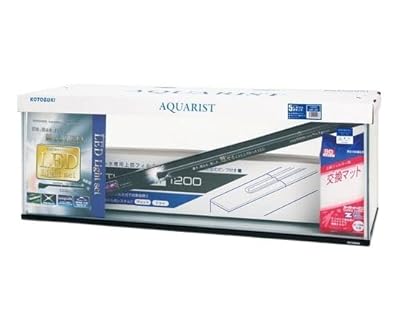
KOTOBUKI 1200L 5点セット ── 大型肉食魚の終生飼育に対応できる120cm水槽の完全セット
迷ったらこれを選べば間違いなし(エサ)
Hikari ひかりクレスト ビッグカーニバル ── 大型肉食魚の栄養管理に特化した定番スティックフード

What is Piranha Nattery?
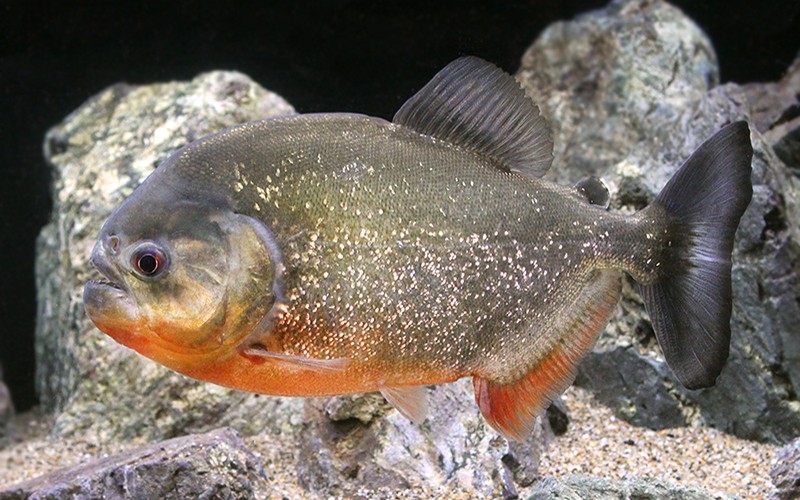
ピラニア・ナッテリーは、カラシン目カラシン科ピゴケントルス属に分類される大型の肉食熱帯魚です。南アメリカのアマゾン川流域・オリノコ川流域を中心に、パラグアイ川やラプラタ川など広大な水系に生息しており、現地では「カニバル(共食いするもの)」とも呼ばれるほど旺盛な食欲を持つことで知られています。
体型は側扁(そくへん)した楕円形で、正面から見ると驚くほど厚みがあります。最大の特徴は、銀灰色の鱗の一枚一枚が反射板のように光を弾き、角度によってさまざまな表情を見せる鱗の輝きです。成熟した個体では腹部から胸部・エラ蓋にかけてオレンジ色から赤みを帯びた発色が見られ、特にオスは繁殖期になるとこの色がさらに鮮やかになります。顎は非常に発達しており、正面から見るとまるで怒り顔のような表情になっているのもこの魚の個性です。
英名は「Red-bellied Piranha(レッドベリー・ピラニア)」。腹部の赤みがその名の由来です。学名の「nattereri」は、19世紀にブラジルで長期にわたり調査を行ったオーストリアの博物学者ヨハン・ナッテラー(Johann Natterer)への献名です。ピラニアという名前自体は、現地の先住民族トゥピ語で「歯のある魚」を意味する言葉が語源とされています。
飼育アドバイス:実物を見るとメディアのイメージよりずっと「魚らしい美しさ」があって驚く方が多いです。ぜひ一度、水族館や専門店で泳ぐ姿を見てみてください。
ピラニア・ナッテリーの成り立ち・歴史
ピラニアが世界的に「恐ろしい魚」として広く知られるようになったのは、20世紀初頭のことです。1913年、アメリカ合衆国大統領セオドア・ルーズベルトが南米遠征を行った際、地元の漁師たちが事前に川を仕切ってピラニアを集めておき、牛の死骸を投入するという「演出」を用意しました。その光景を目撃したルーズベルトが著書の中で「数分で骨だけにした」と記述したことが、ピラニア=凶暴という世界的なイメージを確立するきっかけとなったとされています。
実際の生態としては、ピラニア・ナッテリーは臆病な面も持つ機会的肉食魚です。自然界では主に弱った魚や死んだ動物を食べ、健康な大型動物を集団で襲うことは稀とされています。ただし、血の匂いや水の振動に対して非常に敏感で、出血している個体や弱った生き物に対しては群れで一気に反応する習性があります。これが「ピラニアは血の匂いに狂う」というイメージの実態です。
日本へは1960〜70年代の熱帯魚ブームに乗って輸入が始まりました。現在では東南アジアを中心に養殖個体が安定的に流通しており、大型魚ショップや爬虫類専門店などで比較的入手しやすくなっています。ただし、特定外来生物に指定されている地域での飼育・放流は法律で厳しく規制されていますので、購入前に必ず各都道府県の条例も含めて確認が必要です(後述の注意点セクションで詳しく解説しています)。
飼育アドバイス:ピラニアの「恐ろしさ」は演出によって作られた部分が大きく、実際に飼育してみると意外なほど臆病な一面に驚かされます。この落差がまた魅力のひとつです。
熱帯魚専門店に初めて足を踏み入れたとき、「こんなに種類があるのか」と圧倒された経験はありませんか。水槽の中を流れるように泳ぐ青と赤の光、岩陰でゆっくりと体を揺らす優雅な大型魚、ガラス越しに輝く宝石のような小さなエビ。価格も大きさも見た[…]

How to keep Piranha Nattery
飼育の基本をしっかり押さえれば、10年以上の長期飼育も十分可能な丈夫な魚です。まず基本スペックを表で確認し、水槽・フィルター・ヒーター・エサそれぞれのポイントをひとつずつ見ていきましょう。
基本スペック一覧
| 項目 | 目安・詳細 |
|---|---|
| 学名 | Pygocentrus nattereri(Kner, 1858) |
| 分類 | カラシン目 カラシン科 ピゴケントルス属 |
| 原産地 | 南アメリカ(アマゾン川・オリノコ川・パラグアイ川・ラプラタ川流域) |
| 体長 | 飼育下で約25〜40cm(野生では最大50cm超の記録あり) |
| 寿命 | 約10〜15年(飼育環境・エサの質により変動) |
| 適水温 | 24〜28℃(最適は26〜27℃) |
| 適pH | 5.5〜7.5(最適は弱酸性 6.0〜7.0) |
| 水硬度(GH) | 2〜12°dH(軟水〜中程度の硬水) |
| 推奨水槽 | 単独:90cm以上/複数飼育:120cm以上を強く推奨 |
| filter (esp. camera) | 上部フィルター・外部フィルター(生物ろ過能力の高いもの) |
| heater | 必要(26〜27℃固定式または可変式サーモスタット使用) |
| feed | 大型肉食魚用人工飼料・冷凍アカムシ・赤虫・小魚(生餌) |
| 難易度 | ★★★☆☆(中級者向け・大型水槽と水質管理が必要) |
表に関する補足
体長について:飼育下での成長速度はエサの質・量・水槽サイズに大きく左右されます。毎日大量に生餌を与えると急速に成長しますが、水質悪化と内臓への負担が増えるため、週2〜3回・適量の給餌が長期飼育には向いています。
水硬度(GH)について:ピラニア・ナッテリーはアマゾン川の軟水環境に由来しますが、飼育下では多少硬水でも順応します。ただし極端に硬い水(GH 15°dH以上)は長期的な健康に影響することがあるため、日本の水道水(GH 5〜8°dH程度が多い)をベースに、必要に応じてブラックウォーター(腐植酸を含む水)を添加して軟化させる方法が有効です。
難易度について:魚自体の丈夫さは高いですが、大型水槽の維持・高い生物ろ過能力の確保・取り扱い時の安全管理(歯による怪我のリスク)が必要なため、中級者以上向けの評価としています。初心者の方でも適切な準備をすれば問題なく飼育できますが、60cm以下の小型水槽ではすぐにサイズが合わなくなるため注意が必要です。
水槽の選び方
ピラニア・ナッテリーを迎えるにあたり、最初に揃えるべき最重要アイテムが十分な大きさの水槽です。幼魚のうちは60cm水槽でも飼育できますが、成長とともに水槽が狭くなると強いストレスを受け、攻撃性が増したり体調を崩したりする原因になります。最終的な飼育サイズとして90cm水槽を最低ラインと考えてください。
複数匹の同種飼育を検討している場合は、120cm以上の水槽が必要です。群れ飼育では縄張り争いや弱い個体へのいじめが起きやすく、120cmあっても管理が簡単とは言えません。十分な隠れ場所(流木・大型の岩・水草の茂み)を作り、お互いの視線が常に合わないようなレイアウトを心がけましょう。
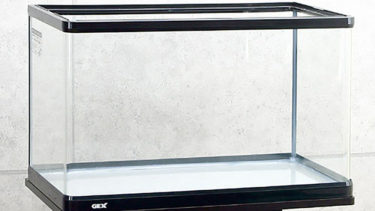
The aquarium is made ofガラス製が基本です。アクリル水槽は軽くて扱いやすい反面、ピラニアが壁面を噛む「バイティング」を繰り返すと傷がつきやすいためです。また、飼育水が汚れやすい肉食魚ですので、底砂は細かい砂(細目の大磯砂・プレイサンドなど)を薄く敷く程度にとどめ、清掃しやすい環境を整えることをおすすめします。
飼育アドバイス:「幼魚のうちは小さい水槽でいいか」という考えは禁物です。最初から90cm以上を用意しておくと、あとで大きな水槽への引越しという大仕事が省けて、魚にもストレスをかけずに済みます。
おすすめ(大型水槽セット)
KOTOBUKI 1200L 5点セット ── ピラニア・ナッテリーの終生飼育に対応できる120cm水槽の完全セット
ピラニア・ナッテリーの成魚を長期飼育するのに十分なスペースを備えた120cm水槽セットです。水槽・ライト・フィルター・底砂・その他必要器具が5点セットでまとまっており、「何を買えばいいかわからない」という方でもすぐに立ち上げられます。120cmの水量は大型肉食魚の水質変化を緩やかにし、長期的な水質安定性が大幅に上がります。複数匹の同種飼育を検討している方にも最初から対応できる一台です。
フィルターの選び方
ピラニア・ナッテリーは肉食魚で代謝量が高く、排泄物や残餌が非常に多い魚です。そのため、ろ過能力の高いフィルターの選択は飼育成功の最重要ポイントのひとつです。
最もおすすめなのは上部フィルター(90〜120cm対応モデル)です。大容量のろ材を入れられるため、強力な生物ろ過(バクテリアによるアンモニア・亜硝酸の分解)が実現できます。また、メンテナンスが容易で詰まりにくく、肉食魚の飼育で起こりやすい「ろ過槽が汚れてすぐ詰まる」というトラブルを防ぎやすいです。
上部フィルターと外部フィルターの併用はさらに効果的です。大きな食べ残しは上部で物理的に取り除き、細かい有機物は外部フィルターで生物分解するという二段階体制が、大型肉食魚の飼育では理想的です。
飼育アドバイス:フィルターは「水槽サイズ対応」の1ランク上のモデルを選ぶのがコツです。大型肉食魚は想像以上に水を汚すので、余裕のあるろ過能力が長期飼育の安定につながります。
おすすめ(外部フィルター)
EHEIM クラシックフィルター2217 ── 世界中のアクアリストが信頼する大型定番外部フィルター
ドイツの老舗ブランドEHEIM(エーハイム)が誇る定番外部フィルターです。2217は大型水槽対応のモデルで、毎時最大1,000Lの流量と大容量ろ材スペースが特徴。生物ろ過能力が非常に高く、ピラニア・ナッテリーのような高汚染環境でも安定したバクテリア層を維持できます。上部フィルターと組み合わせることで、物理ろ過と生物ろ過の理想的な二段階体制が完成します。長期使用に耐える耐久性と静音性の高さは、多くのベテランアクアリストが長年愛用する理由です。

 ポチップポチップ
How to choose a heater
ピラニア・ナッテリーは熱帯魚ですので、ヒーターは必須の器具です。適水温は24〜28℃で、この範囲を外れると免疫力が落ちて病気にかかりやすくなります。特に冬場の急激な水温低下は致命的になることがあります。
90cm以上の大型水槽の場合、300W以上のパワーがあるヒーターが必要です。200W以下のヒーターを大型水槽で使うと、能力不足で設定温度に達しなかったり、真冬に水温が下がってしまったりすることがあります。水槽サイズに対して適切なW数のモデルを選んでください。
また、ピラニアはヒーターを直接噛む「バイティング」をする個体がいます。ヒーターカバー(プロテクター)を必ず装着し、ヒーターガード付きのモデルか、別売りのプロテクターを組み合わせて使用することを強くおすすめします。
飼育アドバイス:ヒーターは2本体制(予備1本)がベストです。万一の故障時に予備があれば、水温急変による緊急事態を防げます。大型魚の長期飼育では特におすすめの備えです。
おすすめ(大型水槽用ヒーター)
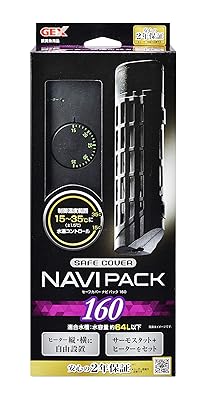
GEX セーフカバーナビパックシリーズ ── 大型水槽対応・安全カバー付きでピラニア飼育に安心のヒーターセット
サーモスタットとヒーターがセットになったGEXのナビパックシリーズです。大型水槽に対応した大容量Wモデルを選べ、安全カバーが標準装備されているためピラニアが直接ヒーターに触れてやけどするリスクや、噛みつきによる破損を防ぎます。デジタル表示で水温が一目確認でき、設定温度の変更も簡単です。サーモスタット付きで温度の微調整が可能なため、繁殖を狙う際の水温コントロールにも対応できます。
 ポチップ
ポチップエサの選び方
ピラニア・ナッテリーの給餌は、長期飼育を考えると人工飼料(ペレット・スティック状の大型肉食魚用フード)への慣らしが最重要です。生餌(金魚・メダカなど)は食いつきが良く手軽ですが、毎日与えると水質が急激に悪化し、病気のリスクが高まります。
幼魚のうちは冷凍赤虫や冷凍アカムシからスタートし、少しずつ人工飼料に切り替えていく方法がおすすめです。人工飼料に慣れた個体は非常に管理しやすく、毎日の給餌が水質悪化の心配なく行えます。給餌の頻度は1日1回・2〜3分で食べきれる量が目安で、残餌はスポイトや網ですぐに取り除くことが重要です。
生餌を与える場合は週1〜2回程度の補助的な位置づけにとどめ、与えた後は必ず水換えを行う習慣をつけると良いでしょう。ピラニアが大きなエサに勢い余って飛び出す事故もあるため、蓋の隙間管理も徹底してください。
飼育アドバイス:ピラニアのエサやりの瞬間は本当に迫力があります。慣れてくると飼い主の顔を覚えて寄ってくる個体もいるので、そういった一面が大好きという方も多いですよ。
おすすめ(大型肉食魚用人工飼料)
Hikari ひかりクレスト ビッグカーニバル ── 大型肉食魚の栄養管理に特化した定番スティックフード
ピラニア・ナッテリーのような大型肉食魚に特化して設計された人工飼料です。「ビッグ」サイズのスティックタイプで、大きな口のピラニアでも一口でがっつり食べられるサイズ感が特徴です。魚粉を主原料に、ビタミン・ミネラルをバランス良く配合しており、生餌中心の食事では補いにくい栄養素もしっかり摂取できます。生餌に比べて水を汚しにくく、長期飼育での水質管理が格段に楽になります。多くのピラニア飼育者が幼魚期からの人工飼料慣らしにも活用している信頼の一品です。
「水槽って、どれを選べばいいの?」——アクアリウムを始めようとした瞬間、多くの方がこの壁にぶつかります。ホームセンターやアクアショップに足を運ぶと、小さなコンパクト水槽から迫力ある大型水槽まで、サイズも形状も素材もバラバラ。値段の差もか[…]
Points to keep in mind when mixing swimmers
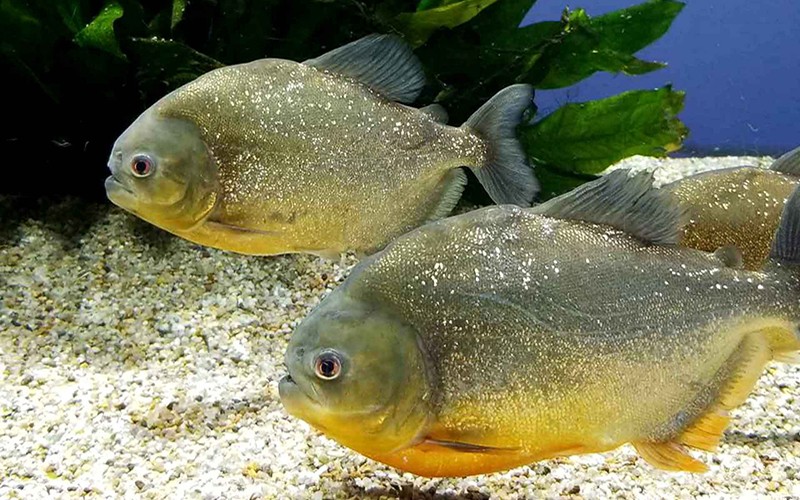
ピラニア・ナッテリーの混泳は、非常に慎重な判断が必要です。基本的な性格は臆病で神経質ですが、出血している個体・弱った魚・体格差のある小型魚に対しては本能的に捕食行動をとります。「ピラニアは怖い」というイメージ通りの側面が、まさにこの部分です。
一方で、ピラニア・ナッテリーはもともと群れで生活する習性を持つ魚で、単独飼育よりも同種を数匹〜十数匹で飼育した方が落ち着いて過ごすケースが多いです。群れの中では互いが牽制し合うため、単独飼育の個体より温和な行動を見せることもあります。ただし、弱い個体が出ると集中して攻撃される「いじめ」が起きやすいため、十分なスペースと隠れ場所の確保が不可欠です。
混泳に向いている種
ピラニア・ナッテリーと比較的相性が良いとされる組み合わせです。ただし「絶対安全」という保証はなく、個体の性格差や体調・空腹状態によって結果は変わります。
- ピラニア・ナッテリー(同種)─ 最も安全。ただし120cm以上の水槽と十分な隠れ場所が必要
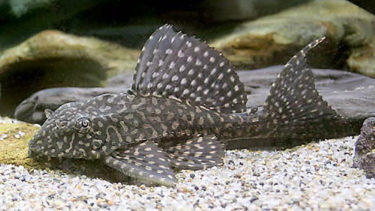
- 大型プレコ類 ─ 硬い鎧のような鱗を持ちピラニアに噛まれにくい。底層を棲み処にするため生活圏が被りにくい
- 大型アーマードキャットフィッシュ(鎧ナマズ類)─ プレコと同様に体表の硬い甲板が防御になる
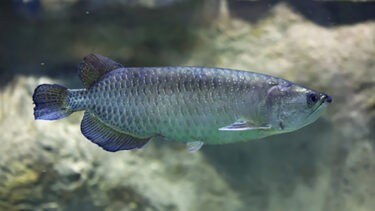
- アロワナ類(大型)─ 遊泳層が上層で被らないことが多いが、サイズが近い個体同士に限定される
混泳を避けたほうがいい種
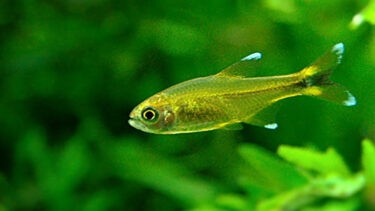
- 小型カラシン(ネオンテトラ・グッピーなど)─ 即座に捕食対象になる
- 体格差のある魚全般 ─ ピラニアより明らかに小さい魚は危険
- ヒレが大きく目立つ魚(エンゼルフィッシュ・ベタなど)─ ヒレを齧られる可能性が高い
- 金魚・メダカ・コイ類 ─ 捕食リスクが非常に高い
- 他種のピラニア ─ 種間で激しい縄張り争いが起きやすい
相性の良い種・悪い種のポイントまとめ
最も重要な判断基準は「体格が近いかどうか」と「生活層が被るかどうか」の2点です。ピラニアより著しく小さい魚はいつ食べられてもおかしくないと考えてください。また、健康に飼育しているつもりでも、水槽内で何らかの原因で出血が起きた瞬間に大規模な攻撃が始まる可能性があるため、混泳魚の健康管理も徹底することが大切です。
飼育アドバイス:大型プレコとの混泳は多くの飼育者が実践しており、実際にうまくいくケースが多いです。ただし初日から同居させるのではなく、互いの様子を見ながら段階的に慣らしていくことをおすすめします。
水槽の壁面や底砂にぴたっと貼り付き、黙々とコケを食べ続ける姿——はじめてプレコを見た方は、その独特のフォルムに思わず目を奪われるのではないでしょうか。鎧のようにゴツゴツとした固い鱗、吸盤のように発達した口、そして岩肌にへばりついたまま微[…]
Points about spawning
産卵のタイミングと繁殖サイン
自然界のピラニア・ナッテリーは、雨季にあたる4〜5月ごろに産卵します。この時期は大雨によって川の水量が増え、水温が若干下がり、水質が薄まります。これを水槽内で再現するために、大規模な水換え(水量の約半分)をすることで「雨季が来た」と感知させ、産卵スイッチを入れる方法が多くの飼育者の間で試みられています。
繁殖サインとして最初に現れるのがオスの底床ならし行動です。口や体を使って砂利や底床を動かし、円形の産卵床(ネスト)を作り始めます。次にメスが近づき、ペアが形成されると、オスはテリトリーを激しく守りながら水底に体を擦りつけるような動作を繰り返します。
産卵から稚魚育成の流れ
| ステップ | 内容・注意点 |
|---|---|
| spawning | メスが600〜1,000個程度の粘着性の卵を底床(産卵床)に産みつける。卵は黄色〜橙色で、粒が小さく砂に紛れやすい |
| 護卵・孵化まで(約10〜14日) | オスが絶食状態で卵を守る。この期間のオスは非常に攻撃的になるため、他の魚・メスも含めて別水槽に隔離することを強く推奨 |
| 孵化〜稚魚期(1〜2週間) | 孵化した稚魚は最初の数日間は卵黄嚢(ヨークサック)の栄養で成長する。親魚による捕食を防ぐため、孵化後すぐに稚魚を隔離するか、稚魚用の隠れ場所を大量に用意する |
| 稚魚の育成(数週間〜) | 卵黄嚢が消えたら冷凍ブラインシュリンプを与え始める。成長は比較的早く1ヶ月で1〜2cmほどになる。体格差が出ると共食いが起きるため、定期的なサイズ分けが必要 |
飼育アドバイス:ピラニアの繁殖は難易度が高いですが、オスが懸命に卵を守る姿は本当に感動的です。成功したときの達成感は格別ですよ。
What to keep in mind when keeping piranha natteries
ピラニア・ナッテリーは魅力的な魚ですが、飼育にあたっていくつかの重要な注意点があります。購入前にしっかり確認しておきましょう。
取り扱い時の怪我に注意
ピラニアの歯は非常に鋭く、水換え・レイアウト変更・移動の際に誤って噛まれると重傷になります。網での素早い移動・ゴム手袋の着用・長めのピンセットの活用など、直接手を水槽に入れないような工夫を徹底してください。慣れた飼育者でも油断は禁物です。
飛び出し事故の防止
ピラニア・ナッテリーは大きなエサに反応した際など、勢い余って水槽から飛び出すことがあります。水槽には必ずしっかりとした蓋(フタ)を設置し、コード類が通る隙間も可能な限り塞ぐようにしてください。飛び出し事故は死に直結します。
特定外来生物・各都道府県条例の確認
ピラニア・ナッテリーは、環境省の規制や各都道府県の条例によって飼育が制限・禁止されている地域があります。また、自然環境への放流は絶対に禁止です。万一飼育が困難になった場合は、専門店への引き取り依頼・ショップへの相談を必ず行い、絶対に野外に放流しないでください。生態系への深刻な影響を引き起こします。
給餌シーンの管理
ピラニア・ナッテリーへの給餌、特に生餌を与えた際の捕食シーンは非常に迫力があり、見慣れない方には強烈な印象を与えます。ご家族や同居人の理解を得てから飼育を始めることをおすすめします。また、生餌として金魚やメダカを使う場合は、それらの生命倫理についても飼育者として向き合う必要があります。
水質悪化への対応スピード
ピラニア・ナッテリーは大型肉食魚で代謝量が高く、水質が悪化するスピードが他の熱帯魚より格段に早いです。アンモニア・亜硝酸の蓄積は命取りになりますので、週1〜2回の定期的な水換え(全水量の20〜30%)を欠かさないようにしてください。水質チェッカーを常備しておくと安心です。
「水が少し濁ってきたけど、どのくらい換えればいいんだろう」「全部換えたほうがきれいになるのでは?」——金魚を飼い始めたばかりのころ、こんな疑問を持ったことはありませんか。水換えは観賞魚の飼育で最も頻繁に行うメンテナンスのひとつで[…]
かかりやすい病気と対策・予防
ピラニア・ナッテリーは丈夫な魚ですが、水質悪化・水温変化・ストレスが重なると病気にかかりやすくなります。主要な4つの病気と対策を覚えておきましょう。
ich (Ichthyophthirius multifiliis)
体表や鰭に白い米粒のような斑点が現れる、熱帯魚に最も多い感染症です。水温低下や急変が主な引き金になります。
- 治療:水温を28〜30℃に上げ、治療薬で薬浴する。症状が軽ければ水温上昇だけで自然回復するケースもある
- 予防:ヒーターで水温を安定させ、購入直後の個体はトリートメント(隔離水槽での薬浴)を行ってから本水槽に入れる
おすすめ(白点病・コショウ病治療薬)
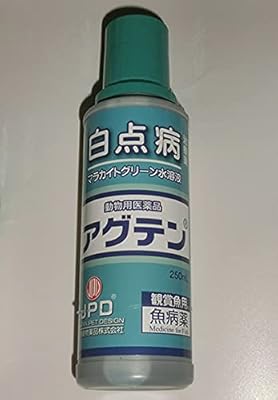
日本動物薬品 アグテン ── 白点病・コショウ病への高い治療効果と水草・バクテリアへの低負荷を両立
白点病の治療薬として長年にわたり多くのアクアリストに使われてきた信頼性の高い薬品です。コショウ病(ウーディニウム症)にも効果があり、熱帯魚の原虫性疾患への対応力が高いのが特徴です。水草や水槽内のバクテリアへの影響が比較的少ないため、本水槽での使用にも比較的向いています。
degenerative eye disorder caused by cloudiness in front of the pupil
ヒレの先端が白くなり、徐々に溶けるように欠けていく細菌性の感染症です。水質悪化・傷口からの感染が多いです。
- 治療:抗菌系薬剤で薬浴。重症の場合は絶食と合わせて治療する
- 予防:定期的な水換えと水質管理の徹底。混泳中の傷を作らないレイアウトの工夫も有効
おすすめ(尾ぐされ病・細菌性感染症治療薬)
日本動物薬品 エルバージュエース ── 細菌性感染症に対する強力な治療効果を持つ熱帯魚の定番薬
尾ぐされ病・エロモナス感染症など細菌性疾患への高い治療効果を持つ薬品です。顆粒タイプで水量に合わせて添加量を調整でき、幅広い感染症に対して使いやすい設計です。ピラニア・ナッテリーのような大型魚の治療にも対応できる信頼の処方薬として、多くのアクアリストが常備しています。

water mold
傷口や卵に白い綿のようなカビが付着する病気です。低水温や水質悪化、他の魚との喧嘩による傷から発症しやすいです。
- 治療:治療薬で薬浴。カビが生えている部位に綿棒でヨードチンキを塗布する方法も有効(麻酔下での処置が推奨)
- 予防:水温の安定と傷をつくらない環境作り。卵を産んだ場合は卵にもカビが発生しやすいので、水流の当たり方に注意する
おすすめ(水カビ病・白点病治療薬)
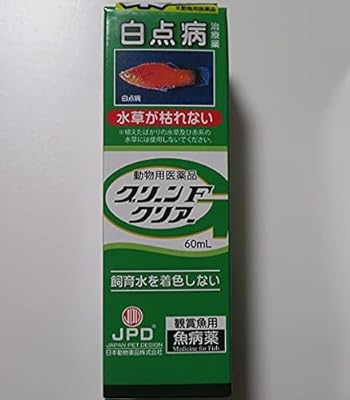
日本動物薬品 新グリーンFクリア ── 水カビ病・白点病に対応し水槽内をすっきり浄化する定番治療薬
水カビ病や白点病の治療に使いやすい液体タイプの治療薬です。透明な薬液で水が染まりにくく、水槽内の視認性を保ちながら治療できるのが特徴です。魚への刺激が比較的少なく、ピラニア・ナッテリーのような大型魚にも安心して使用できます。産卵後の卵に水カビが生えた際の予防的な使用にも適しています。
pine cone disease
鱗が逆立って松かさのように見える状態になる、エロモナス菌による感染症です。体内に水が溜まる腹水症を伴う場合が多く、完治が難しい難病のひとつです。
- 治療:治療薬による薬浴。絶食と塩分0.5%の塩浴(食塩水)を併用する方法も試みられるが、効果には個体差がある
- 予防:ストレスの少ない環境(過密飼育の回避・安定した水質)の維持が最大の予防策。日頃から食欲や体型の変化を観察する習慣をつける
おすすめ(松かさ病・細菌性感染症治療薬)
日本動物薬品 グリーンFゴールドリキッド ── 松かさ病・尾ぐされ病・エロモナス感染症への対応力が高い定番液体薬
細菌性感染症、特に松かさ病やエロモナス感染症の治療に用いられる液体薬です。オキソリン酸を主成分としており、グラム陰性菌(エロモナス菌など)への高い殺菌効果を発揮します。液体タイプで水量に応じた添加量の調整が簡単で、大型魚の薬浴にも使いやすい設計です。早期発見・早期治療が完治への鍵となる松かさ病において、頼りになる一本です。

病気を防ぐ基本ケア
- 週1〜2回の定期水換え(20〜30%)で有害物質を希釈する
- 新しく購入した魚は必ずトリートメントタンク(隔離水槽)で1〜2週間の様子見をしてから本水槽に導入する
- フィルターのメンテナンス(ろ材洗浄・スポンジ交換)を定期的に行い、ろ過能力を維持する
日頃の水質管理を一層手軽にするために、水質調整剤の活用も非常に効果的です。
おすすめ(水質調整剤)
Tetra パーフェクト ウォーター ── カルキ抜き+水質調整+ミネラル補給が一本で完結する万能水質調整剤
カルキ(塩素)の除去だけでなく、重金属の無害化・粘膜保護成分の補給・ミネラルのバランス調整まで一本でこなせる水質調整剤です。水換えのたびに使用することで、新水によるpHショックや魚のストレスを軽減できます。ピラニア・ナッテリーのような大型魚では水換えの量も多いため、使いやすいボトルサイズを常備しておくと管理が格段に楽になります。

推奨飼育セットの提案
ピラニア・ナッテリーの飼育に必要な器具をまとめました。最初に揃えるべき基本セットです。
| カテゴリ | おすすめの選択 | 選ぶ理由・補足 |
|---|---|---|
| water tank | KOTOBUKI 1200L 5点セット | 120cmの十分なスペース。器具が揃ったセットで初期準備がスムーズ |
| filter (esp. camera) | EHEIM クラシックフィルター2217 | 高い生物ろ過能力と耐久性。上部フィルターとの併用で最強のろ過体制が実現 |
| heater | GEX セーフカバーナビパックシリーズ | 安全カバー付きでピラニアの噛みつきによる破損を防止。予備の1本も推奨 |
| feed | Hikari ひかりクレスト ビッグカーニバル | 大型肉食魚に特化した栄養設計。水を汚しにくく管理が楽 |
| 照明 | LEDライト(強すぎないもの) | 強すぎると臆病なピラニアがストレスを感じやすい。適度な光量で |
| 底砂 | 細かい砂(プレイサンド・細目大磯砂) | 繁殖を狙うなら産卵床になる細砂が必須。清掃のため薄く敷く |
| 水質調整剤 | Tetra パーフェクト ウォーター | カルキ抜き+粘膜保護+ミネラル補給が一本で完結。水換えのたびに活用 |
| 熱帯魚用薬品 | アグテン・エルバージュエース・グリーンFゴールドリキッド | 白点病・尾ぐされ・松かさ病の治療薬を常備。早期治療が完治の鍵 |
飼育アドバイス:ピラニアの飼育用品は「大は小を兼ねる」の考え方が大切です。最初から余裕のある水槽・フィルター・ヒーターを選んでおくと、後で後悔することなく長く安定した飼育が楽しめます。
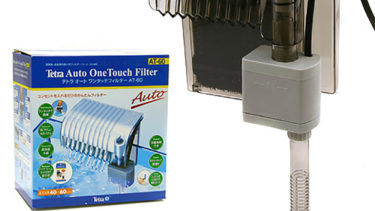
「フィルターって、どれを選べばいいの?」――アクアリウムを始めようとすると、必ずこの壁にぶつかります。外部式・上部式・投げ込み式・底面式・スポンジ式……種類が多すぎて、どれが自分に合っているのかわからない。「とりあえず安いやつを買ったら[…]
よくある質問(FAQ)
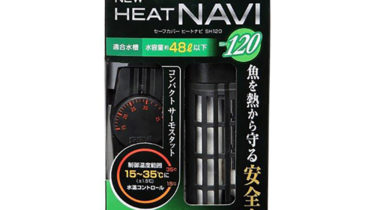
水槽を立ち上げたばかりの頃、ヒーターのコーナーに立ってみると種類の多さに戸惑った経験はありませんか?「オートヒーター」「サーモスタット一体型」「観賞魚用クーラー」――棚を眺めるほど、どれを選べばいいのか分からなくなってしまうものです。[…]
まとめ
ピラニア・ナッテリーは、「世界最強の淡水魚」とも呼ばれるその名声の通り、圧倒的な存在感と銀色の鱗が放つ独特の輝きを持つ、熱帯魚界でも唯一無二の存在です。臆病な一面と本能的な肉食性という矛盾した魅力が、長く飼育者を惹きつけてやまない理由です。
飼育で特に大切なポイントを整理すると、まずKOTOBUKI 1200L 5点セットのような90cm以上の十分な大きさの水槽とEHEIM クラシックフィルター2217に代表される高いろ過能力を持つフィルターが絶対条件です。次に水温24〜28℃・pH5.5〜7.5の安定した水質維持が健康な長期飼育を支えます。給餌はHikari ひかりクレスト ビッグカーニバルのような人工飼料への慣らしを優先して水質管理を楽にすること、そして取り扱い時の安全対策と飼育における法的確認を忘れないことが重要です。
初めてピラニアを迎える準備が整ったら、ぜひ幼魚から育ててみてください。人工飼料に慣れた個体は飼い主の顔を認識して近づいてくるようになり、その知性的な目と迫力ある体型の変化を間近で観察できる喜びは、大型魚飼育ならではの醍醐味です。
熱帯魚専門店に初めて足を踏み入れたとき、「こんなに種類があるのか」と圧倒された経験はありませんか。水槽の中を流れるように泳ぐ青と赤の光、岩陰でゆっくりと体を揺らす優雅な大型魚、ガラス越しに輝く宝石のような小さなエビ。価格も大きさも見た[…]