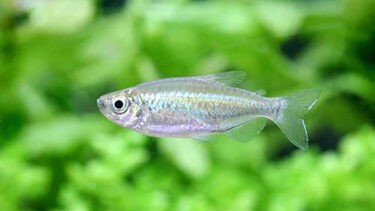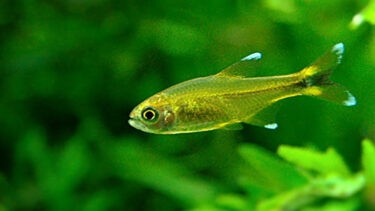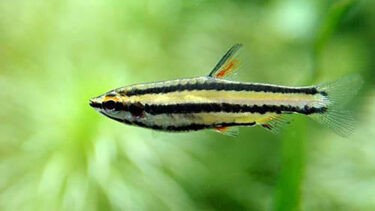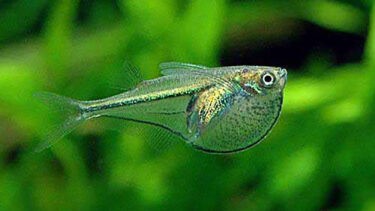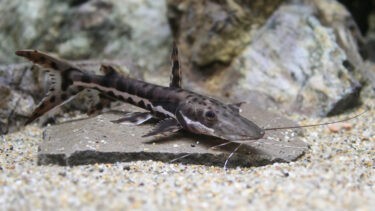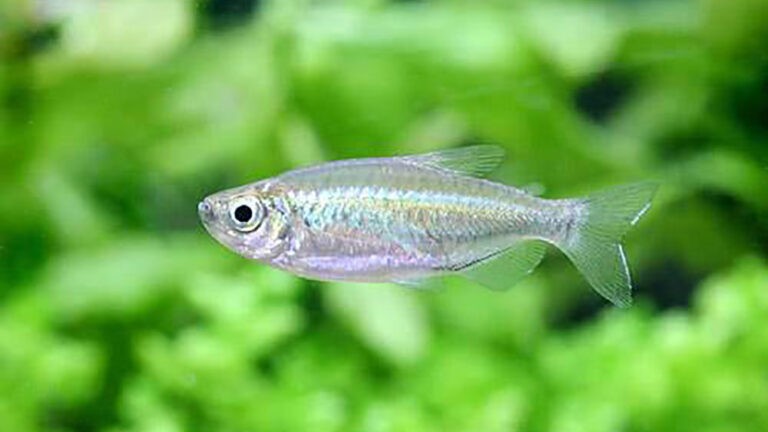
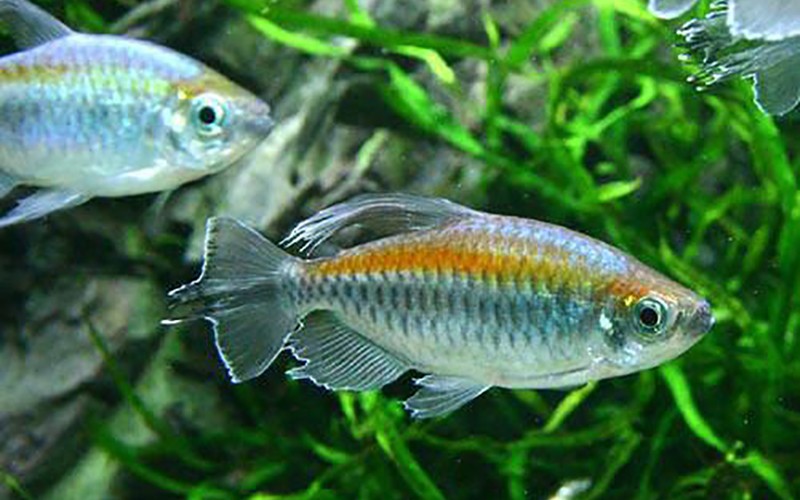
虹色の輝きを帯びた体側、そして尾びれの中央がすっと伸びた独特のシルエット——コンゴテトラは、熱帯魚の中でも「一度見たら忘れられない」と言われるほどの存在感を持つ魚です。光の当たり方によって青・緑・オレンジ・ゴールドと表情を変える体色は、まるで水中に虹が泳いでいるかのようで、水槽に入れると自然と視線が集まります。
コンゴテトラは、カラシン目アレステス科ミクラレステス属に分類される熱帯魚で、学名は Micralestes interruptus(ミクラレステス・インテルプトゥス)といいます。原産地はアフリカ・コンゴ川流域(旧称:ザイール川)で、コンゴ民主共和国(旧ザイール)の河川や湖沼に広く分布しています。体長は8〜10cmほどとカラシン科の中では比較的大型で、群れで泳ぐ習性があり、まとまった数で飼うほどその美しさが際立ちます。
アフリカ産のカラシン科というと少し珍しく感じるかもしれませんが、飼育自体は丈夫で扱いやすく、中級者はもちろん、しっかりと環境を整えれば初心者にも十分挑戦できる種です。この記事では、コンゴテトラの魅力・特徴から飼い方・混泳・繁殖・病気対策まで、当サイトが実際の飼育経験をもとに詳しくご紹介します。
この記事をまとめると
- コンゴテトラは60cm以上の水槽とヒーター・フィルターがあれば比較的飼いやすい大型テトラ
- 温和な性格だが水草を食べるため、レイアウトは流木・石・硬葉水草で組むのが基本
- 群れで飼うと虹色の婚姻色が出やすく、10匹以上でまとめて飼育すると最大の美しさを楽しめる
迷ったらこれを選べば間違いなし(水槽セット)
GEX マリーナ600BKST LED&デュアルクリーンセット ── 水槽・照明・フィルターが揃う60cmオールインワンセット

 ポチップ
ポチップ迷ったらこれを選べば間違いなし(エサ)
Tetra テトラミン ── 世界中で支持される熱帯魚フードの定番フレーク

What is Congo Tetra?
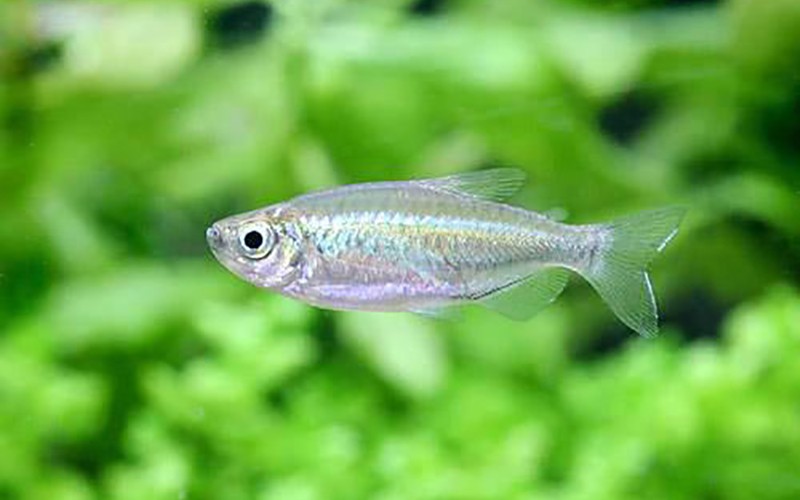
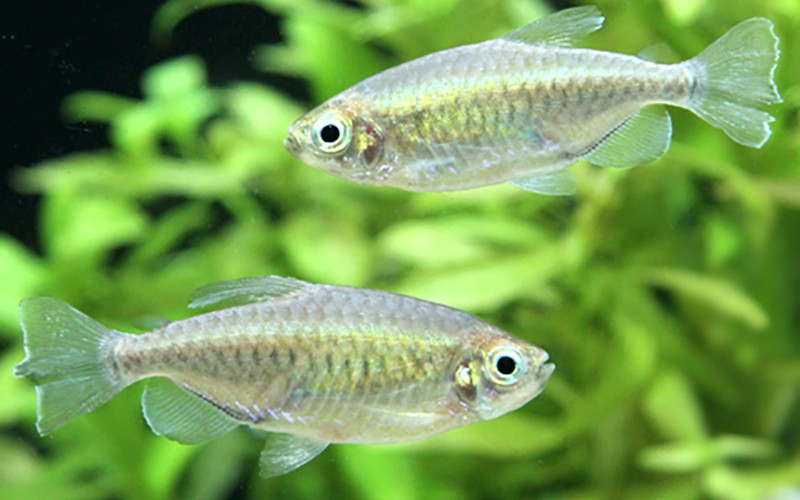
コンゴテトラは、体長が成熟するとオスで約8〜10cm、メスで約6〜8cmに達する、カラシン科の中では堂々たるサイズの熱帯魚です。最大の特徴は2つあります。ひとつは体側に入る虹色の光沢で、シルバーを基調に青・緑・オレンジ・ゴールドが光の角度によって複雑に変化します。もうひとつは尾びれの中央が突出して二股に裂けたユニークな形状で、特にオスでは成熟するにつれて尾びれの中央糸状突起(ロングフィン)がより長く伸びるため、泳ぐ姿がいっそう優雅に見えます。
コンゴテトラの魅力は、単体よりも群れにあります。10匹以上でまとまって泳がせると、水槽全体がさざ波のように輝き、まるでアフリカの大河をそのまま切り取ったかのような迫力ある風景が生まれます。背ビレと臀ビレ(しりびれ)も発達しており、成熟したオスは特に大きく広がることで全体的に風格ある印象を与えます。メスは全体的に丸みを帯びた体型で、オスほど尾びれの突起は伸びませんが、その分おとなしく上品な姿が好まれています。
飼育アドバイス:店頭で見るコンゴテトラが「地味だな」と感じる場合は、発色が出ていないだけのことがほとんどです。状態の良い水槽で群れさせると、まったく別の魚に見えるほど美しくなりますよ。
コンゴテトラの成り立ち・歴史
コンゴテトラは、1899年にベルギーの動物学者ジョルジュ・アルバート・ブーランジェ(George Albert Boulenger)によって初めて学術記載された種です。学名 Micralestes interruptus の「interruptus」は、体側のラインが途切れて見える(interrupted)ような模様に由来するという説があります。属名 Micralestes は「小さなアレステス(Alestes)」を意味し、同じアレステス科の近縁属との関係性を示しています。
原産地はコンゴ民主共和国(旧ザイール共和国)を流れるコンゴ川およびその支流域です。コンゴ川は全長4,700km以上を誇るアフリカ第2位の大河で、世界でも有数の生物多様性を誇る淡水域として知られています。コンゴテトラはその中でも流れが緩やかな湾入部や水草の豊富な浅瀬を好み、大きな群れを形成して生活しています。現地の水質は一般に弱酸性〜中性(pH 6.0〜7.5)・軟水〜中程度の硬度で、腐植質(腐った植物由来の有機物)が多く含まれたやや黄褐色の水であることが多いです。
観賞魚として世界的に広まったのは主に1980年代以降で、ヨーロッパのアクアリスト(熱帯魚愛好家)が「アフリカのテトラ」として高く評価したことがきっかけとされています。日本にも同じ頃から流通が始まり、当初は希少で高価でしたが、東南アジアでの繁殖・養殖が安定したことにより現在は比較的手頃な価格で入手できるようになりました。
飼育アドバイス:コンゴ川という大河が故郷ですので、「広さ・清潔さ・水流」にこだわって飼育環境を整えてあげると、コンゴテトラ本来の美しさが引き出せます。
熱帯魚専門店に初めて足を踏み入れたとき、「こんなに種類があるのか」と圧倒された経験はありませんか。水槽の中を流れるように泳ぐ青と赤の光、岩陰でゆっくりと体を揺らす優雅な大型魚、ガラス越しに輝く宝石のような小さなエビ。価格も大きさも見た[…]

How to keep the Congo Tetra
飼育の基本を押さえれば、比較的丈夫で長く楽しめる魚です。まず基本スペック一覧で全体像をつかみ、そのあと水槽・フィルター・ヒーター・エサそれぞれの選び方とポイントをご確認ください。
基本スペック一覧
| 項目 | 目安・詳細 |
|---|---|
| 学名 | Micralestes interruptus(ミクラレステス・インテルプトゥス) |
| 分類 | カラシン目 アレステス科 ミクラレステス属 |
| 原産地 | アフリカ・コンゴ川流域(コンゴ民主共和国) |
| 体長 | オス:約8〜10cm、メス:約6〜8cm |
| 寿命 | 約3〜5年(飼育環境により変動) |
| 適水温 | 24〜28℃(推奨:26℃前後) |
| 適pH | 6.0〜7.5(推奨:6.5〜7.0) |
| 水硬度(GH) | 2〜12°dH(軟水〜中程度) |
| 推奨水槽 | 60cm以上(複数飼育なら90cm推奨) |
| filter (esp. camera) | 外部式フィルター推奨(外掛け式も可) |
| heater | 必要(26℃固定式または温度調節式) |
| feed | 人工フード(フレーク・顆粒)、冷凍赤虫など |
| 難易度 | ★★☆☆☆(初中級・水槽サイズに注意) |
表に関する補足
寿命について:元記事では「約3〜4年」と記していましたが、当サイトの飼育実績では環境が整っていれば5年近く生きる個体も確認されています。水質管理・エサの質・ストレスの少ない環境が寿命に大きく影響します。
難易度について:★★☆☆☆(初中級)としているのは、60cm以上の水槽が必要な点と、水草を食べてしまうためレイアウトに工夫が必要な点によるものです。水質への適応力自体は高く、基本的な管理さえしっかりしていれば初心者でも十分に飼育できます。
水硬度(GH)について:日本の水道水は地域によって差がありますが、多くの地域でGH 4〜8°dH程度なのでそのままの水道水でも問題なく飼育できます。ただし沖縄など硬水の地域では軟水化の対応を検討してください。
水槽の選び方
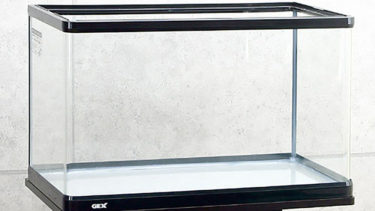
コンゴテトラは体長8〜10cmになる比較的大型のテトラで、活発に泳ぎ回る習性があるため、最低でも60cm水槽(約57L)を用意することが必須です。5匹以下の少数飼育であれば60cm水槽でも十分ですが、10匹以上の群れを楽しみたい場合は90cm以上の水槽を強くおすすめします。群れの美しさはやはり広い水槽でこそ際立ちます。
底砂は暗めの色のソイルや細かい砂利がおすすめです。暗い底砂は魚の発色を引き出す効果があり、特にコンゴテトラの虹色の輝きをより美しく見せてくれます。レイアウトは水草を多用したネイチャーアクアリウム風が映えますが、コンゴテトラは柔らかい水草を食べてしまうため、アヌビアス・ナナ、ミクロソリウム、ボルビティスなど葉が硬い水草か、流木・岩を主体にしたレイアウトをベースにするのが現実的です。
水流は適度にある程度が理想です。コンゴ川の自然環境では水流がある清流域に生息しているため、よどんだ水よりも緩やかな水流のある環境の方が好ましいとされています。フィルターの排出口の向きを調整して、水流が水槽全体にゆるやかに回るよう工夫すると良いでしょう。
飼育アドバイス:60cm水槽で始めるなら、「ゆくゆくは90cmへ」という意識で飼育スタートするのがおすすめです。コンゴテトラの魅力は群れにありますから、水槽が広くなるほど「買ってよかった」と感じる瞬間が増えていきます。
これから飼育を始める方には、水槽・照明・フィルターがひとまとめになったセット品が便利です。
おすすめ(水槽セット)
GEX マリーナ600BKST LED&デュアルクリーンセット ── 水槽・照明・フィルターが揃う60cmオールインワンセット
コンゴテトラの飼育にちょうど良い60cm水槽に、LED照明と外掛け式フィルター(デュアルクリーン)がセットになった入門者に大変おすすめの製品です。別々に購入するより費用を抑えられるうえ、組み合わせの相性を考えなくてよいので、はじめて水槽を立ち上げる方でも安心してスタートできます。ブラック仕上げがコンゴテトラの虹色をいっそう引き立ててくれます。
ポチップフィルターの選び方
コンゴテトラの飼育には外掛け式フィルターまたは外部式フィルターが適しています。外掛け式フィルターは水槽のフチに引っかけるだけで設置できる手軽さが魅力で、上で紹介した水槽セットにも標準で付属しています。さらにろ過能力を高めたい場合は外部式フィルターへのグレードアップも選択肢です。
外掛け式フィルターでコンゴテトラを飼育する場合は、ろ過容量を補う意味でも水換えの頻度を週1回(水槽の1/3程度)に保つことが重要です。
投げ込み式(ぶくぶく)フィルターは、コンゴテトラを長期飼育するための環境としては力不足です。稚魚の隔離水槽などの補助的な用途には使えますが、メイン水槽のフィルターとしては避けることをおすすめします。
飼育アドバイス:フィルターは「水槽サイズより一回り大きいもの」を選ぶのが基本です。フィルターの性能に余裕があるほど水質が安定しやすく、魚の状態も長持ちします。
外掛け式フィルターの中でも特に使いやすく人気の高い製品をご紹介します。
おすすめ(外掛け式フィルター)
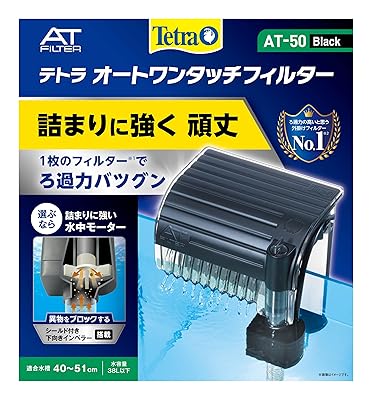
Tetra オートワンタッチフィルター ATシリーズ ── ワンタッチ交換で手軽に使える定番外掛けフィルター
テトラのATシリーズは、フィルターカートリッジをワンタッチで交換できる使いやすさが評価されている外掛け式フィルターです。水槽のフチに引っかけるだけで設置でき、電源を入れるだけですぐにろ過が始まります。AT-50・AT-60など水槽サイズに合わせたモデルが展開されており、コンゴテトラの60cm水槽にはAT-50かAT-60が適しています。
How to choose a heater
コンゴテトラは熱帯魚ですから、日本の冬には必ずヒーターが必要です。適正水温は24〜28℃で、26℃前後を安定して維持できるヒーターを選びましょう。水温が20℃を下回ると動きが鈍くなり、免疫力が低下して病気にかかりやすくなります。逆に30℃以上の高温が続くと、溶存酸素量(水中の酸素量)が減少して体に負担がかかります。
ヒーターの種類としては、オートヒーター(サーモスタット内蔵・26℃固定式)が初心者に最もおすすめです。設定不要で電源を入れるだけで使えるため、管理が楽です。60cm水槽には150W〜200W程度のものを選びましょう。温度を細かく調整したい上級者向けには、サーモスタットとヒーター棒が分離したセパレート型が向いています。
ヒーターは水温が急変しないよう、水槽内の水流が均等に行き渡る場所に設置します。フィルターの吸水口近くに設置すると熱が効率よく循環します。
飼育アドバイス:夏場も気を抜かないでください。室温が30℃を超える真夏は、水温も上昇しやすくなります。水温計を常時設置して日々チェックする習慣が、コンゴテトラを長く元気に飼うための一番の近道です。
コンゴテトラの水温管理に最適な、扱いやすいオートヒーターをご紹介します。
おすすめ(ヒーター・水温管理)
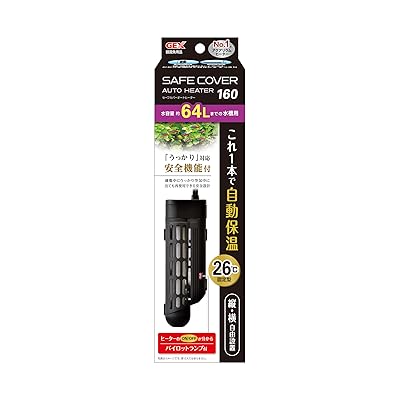
GEX AQUA HEATER セーフカバーオートヒーター ── 設定不要・安心の自動制御ヒーター
コンゴテトラに最適な26℃を自動でキープするオートヒーターです。サーモスタット内蔵でコンセントに差すだけで使えるため、初心者にも安心。安全カバー付きで魚が直接ヒーターに触れてやけどするリスクを防いでくれる構造になっています。当サイトでも長年愛用しているシリーズで、安定した品質と使いやすさから多くの飼育者に支持されています。
 ポチップ
ポチップエサの選び方
コンゴテトラは雑食性で、自然界では小型の水生昆虫・甲殻類・藻類・植物片などを食べています。飼育下では市販の人工フード(フレークタイプや顆粒タイプ)を主食として問題なく食べてくれます。特に体が大きいため、ネオンテトラ用の小粒フードより、やや大粒のものや口のサイズに合わせた顆粒タイプが食べやすくおすすめです。
発色をより美しくしたい場合は、冷凍赤虫(アカムシ)やブラインシュリンプ(小さなエビの一種)を週2〜3回おやつ感覚で与えるのが効果的です。動物性タンパク質を補給することで体色の発色が向上し、特にオスの婚姻色(繁殖期に出る鮮やかな体色)が際立つようになります。
エサの量は1日2回・2〜3分で食べ切れる量を基本にしてください。食べ残しは水質悪化の原因になるため、与えすぎには注意が必要です。水草も食べますので、エサが不足しているサインのひとつとして「水草の食害が増えた」という場合は給餌量の見直しを検討してください。
飼育アドバイス:エサを与えるとき、魚が一斉に水面に集まってくる光景は毎日見ても飽きないものです。コンゴテトラのエサへの反応は非常に活発なので、その姿を楽しみながら給餌するのも飼育の醍醐味のひとつですよ。
コンゴテトラの主食として長く使える、信頼性の高いフードをご紹介します。
おすすめ(熱帯魚フード)
Tetra テトラミン ── 世界中で支持される熱帯魚フードの定番フレーク
テトラミンは世界的なアクアリウムブランド・テトラが長年にわたって改良を重ねてきた、熱帯魚フードのスタンダードです。バランスよく配合された栄養素が、コンゴテトラの健康維持と美しい発色をサポートします。水を汚しにくい独自の製法で、飼育水の透明度を保ちやすいのも嬉しいポイントです。
水槽を立ち上げたばかりの頃、ヒーターのコーナーに立ってみると種類の多さに戸惑った経験はありませんか?「オートヒーター」「サーモスタット一体型」「観賞魚用クーラー」――棚を眺めるほど、どれを選べばいいのか分からなくなってしまうものです。[…]
Points to keep in mind when mixing swimmers
コンゴテトラの性格は基本的に温和で、他の魚を積極的に攻撃することはほとんどありません。群れで泳ぐ習性があり、同種間でも穏やかな関係を保てます。一方で、体長が8〜10cmと中型以上のサイズになるため、混泳相手のサイズ選びが重要です。体が小さすぎる魚(3cm以下)は、コンゴテトラが悪意なく追い回してしまったり、口に入るサイズの稚魚は捕食対象になる可能性があります。また、温和とはいえ縄張り意識の強い種や攻撃的な種と同居させると、コンゴテトラ側がストレスを受け続けてしまいます。
混泳に向いている種
- カージナルテトラ ─ 同じカラシン系で水温・水質の好みが近く、互いに干渉しない理想的な相性
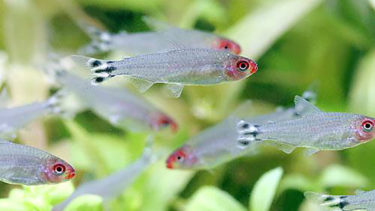
- ラミーノーズテトラ ─ 赤い頭部がコンゴテトラの虹色と対比して美しく映える人気の組み合わせ
- エンペラーテトラ ─ サイズも水質嗜好も近く、アフリカ・南米のテトラが共存するエキゾチックな水槽に
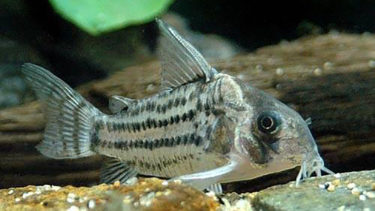
- コリドラス各種 ─ 底層を泳ぐため遊泳域が重ならず、水質要求も似ているためおすすめの底物コンビ
- プレコ(小型種) ─ 岩や流木に張り付く底物系で、遊泳域が完全に分かれており干渉しにくい
- グラスキャット ─ 透明な体が特徴的な中層魚で、コンゴテトラとのサイズバランスも良好
- アフリカンランプアイ ─ 同じアフリカ産であることからも相性が良く、目の輝きがアクセントになる
要注意の種
- スマトラ ─ ひれをかじる習性(フィンニッピング)があり、コンゴテトラの長い尾びれが狙われる危険性あり
- グッピー ─ コンゴテトラのほうがサイズで上回り、ひれや稚魚を誤って食べてしまうケースがある
- エンゼルフィッシュ ─ 成熟したエンゼルは縄張り意識が強く、コンゴテトラに威圧的な行動を取ることがある
混泳を避けたほうがいい種
- ピラニア各種 ─ 当然ながら捕食対象になる。絶対不可
- 大型シクリッド(オスカー・フラワーホーン等) ─ 縄張り意識・攻撃性が高く、コンゴテトラが追い回され続ける
- アロワナ ─ コンゴテトラは食べられるサイズであり、同居は危険
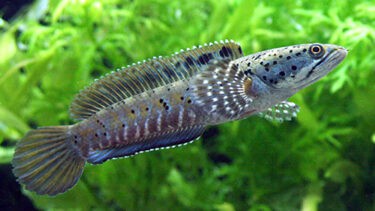
- スネークヘッド ─ 強い肉食性と縄張り意識があり、混泳は避けるべき
飼育アドバイス:コンゴテトラ同士でまとめた単種飼育も非常に美しいですが、コリドラスと組み合わせた水槽は中層・底層の両方が賑やかになって、見ていて飽きない構成になります。ぜひお試しください。
水槽の底をトコトコと歩くように泳ぐ、丸くてずんぐりとした体型——。コリドラスを初めて目にしたとき、その愛らしいシルエットと、ひょこひょこと動き回る仕草に思わず笑顔になった方も多いのではないでしょうか。熱帯魚の入門種として長く愛され続けて[…]
Points about spawning
オス・メスの見分け方と繁殖のサイン
コンゴテトラは成熟するとオスとメスの見た目の違い(雌雄差)が比較的わかりやすくなります。
- オス:体が大きく(8〜10cm)、尾びれ中央の糸状突起が発達して長く伸びる。背ビレと臀ビレも大きく広がり、発情時は虹色の婚姻色が鮮やかになる。
- メス:体が丸みを帯びて腹部がふっくらしている(約6〜8cm)。尾びれの突起はオスほど伸びない。産卵が近づくと腹部がさらに膨らんで見える。
繁殖のサインとして最も分かりやすいのは、オスの婚姻色(こんいんしょく)の出現です。繁殖期を迎えたオスは体全体の虹色の輝きが一段と増し、青・緑・オレンジのグラデーションが特に鮮やかに発色します。この状態のオスを水槽越しに見ると、熱帯魚の中でも最高クラスの美しさを持つことに改めて気づかされます。メスが抱卵状態(お腹が大きく膨らんだ状態)のときに水温を25℃→23〜24℃へ少し下げることで産卵が誘発されることがあります。
産卵〜稚魚育成の流れ
| ステップ | 内容 |
|---|---|
| 1. 繁殖水槽の準備 | 30〜45cm程度の繁殖用水槽を用意。底砂は薄めに敷くか、卵が落ちやすいよう産卵ネットを底に敷く。水温24℃、pH 6.5前後に設定。 |
| 2. ペアリングと産卵 | 成熟したオス1匹・メス1〜2匹を繁殖水槽に移す。コンゴテトラは水中に卵を散乱させる「ばらまき型」の産卵をする。産卵後は親魚を元の水槽に戻す(卵・稚魚を食べるため)。 |
| 3. 孵化・稚魚管理 | 水温25〜26℃で約24〜36時間後に孵化。孵化直後の稚魚はヨークサック(卵黄)を吸収しながら成長する。2〜3日後から泳ぎ始めたらエサを与え始める。 |
| 4. 稚魚の育成 | 最初の1〜2週間はインフゾリア(ゾウリムシ等の微生物)やパウダー状のフライフードを与える。1cmほどに育ったらブラインシュリンプのノープリウス(孵化直後の幼生)を与えると成長が早まる。2〜3ヶ月で1.5〜2cm、4〜6ヶ月で成魚に近いサイズに。 |
飼育アドバイス:コンゴテトラの繁殖に成功したとき、稚魚が泳ぎ始める瞬間は本当に感動します。ぜひ一度チャレンジしてみてください。初心者の方でも「繁殖水槽を分ける」という基本を守るだけで、意外とうまくいくことがありますよ。
水槽の中を流れるように群れ泳ぐ、青と赤の鮮やかなライン——熱帯魚をはじめて見た方でも、思わず「きれい」と声が出てしまうような魚がいます。それがネオンテトラです。名前の由来にもなったメタリックブルーのネオンのような輝きは、熱帯魚の中でもひ[…]
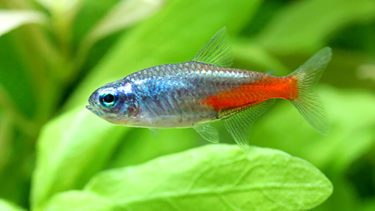
What to look for when keeping a Congo Tetra
水草の食害に注意する
コンゴテトラは水草を非常によく食べる種として知られています。柔らかい水草(アナカリス・カボンバ・マツモなど)は短時間で食べ尽くされてしまうことがあります。水草レイアウトを楽しみたい場合は、葉が硬く食べられにくいアヌビアス・ナナ、ミクロソリウム、ボルビティス・ヒューデロティなどを選ぶか、流木・石を主体にした「流木レイアウト」を組むことをおすすめします。
60cm以上の水槽を必ず用意する
前述の通り、コンゴテトラは体長8〜10cmになる比較的大型のテトラです。30cm・45cm水槽では遊泳スペースが足りず、ストレスが蓄積して発色が悪くなったり、免疫力が低下して病気になりやすくなります。
水質を安定させるために定期的な水換えを行う
週1回、水槽の1/4〜1/3程度を換水する習慣をつけましょう。水換えの際は、新しい水の温度・pH・硬度を水槽内の水と近づけておくことで急激な水質変化を防げます。特に硬度の高い水道水(GH 10°dH超)の地域では、換水によって水が硬くなりすぎないよう注意が必要です。
飛び出しに注意する
コンゴテトラは驚いたときや水槽に慣れていない導入直後に、水槽の外へ飛び出してしまうことがあります。水槽には必ずフタをするようにしてください。フタと水面の間に隙間がある場合も、魚が通れない程度の隙間にとどめましょう。
導入直後の環境適応に配慮する
購入してきたコンゴテトラを水槽に入れる際は、hydrometallurgy(袋ごと水槽に浮かべて水温を合わせ、少しずつ水槽の水を袋に入れながら水質に慣らす作業)を必ず行ってください。急な水温・pH変化はコンゴテトラにとって大きなストレスとなり、白点病などの発症リスクを高めます。水合わせには30分〜1時間程度かけるのが理想的です。
飼育アドバイス:水草を食べてしまうのは「悪い魚」ではなく、コンゴテトラの自然な習性です。食べても構わない水草を植えるか、最初から流木レイアウトにしてしまうと、かえってアフリカらしい雰囲気のある水槽に仕上がって格好よくなりますよ。
かかりやすい病気と対策・予防
コンゴテトラは比較的丈夫な魚ですが、水質の悪化や急激な水温変化があると病気を発症しやすくなります。代表的な4つの病気を知っておくことで、早期発見・早期対処が可能になります。
ich (Ichthyophthirius multifiliis)
体表や各ヒレに白い米粒状の点が多数付着する病気です。「イクチオフチリウス」という寄生虫が原因で、水温が急に下がったときや免疫力が低下したときに発症しやすいです。
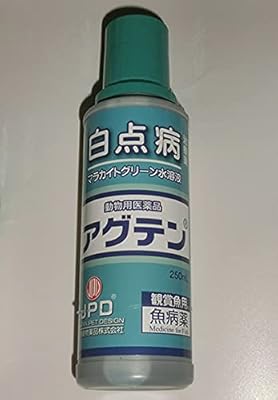
- 治療:マラカイトグリーン系薬剤(日本動物薬品 アグテンなど)を規定量に従って薬浴。水温を28〜30℃に上げると寄生虫のライフサイクルが短縮し治癒が早まる。
- 予防:水温の急変を避ける。導入直後の魚は必ず水合わせを丁寧に行う。
おすすめ(白点病薬)
日本動物薬品 アグテン ── 白点病・コショウ病に有効なマラカイトグリーン系薬剤
白点病の原因となる寄生虫に直接作用するマラカイトグリーン系の魚病薬です。早期発見・早期使用が効果的で、規定量を守って薬浴することで多くのケースで改善が期待できます。コンゴテトラの繊細な体色への影響も少なく、熱帯魚の白点病治療薬として広く使われています。
degenerative eye disorder caused by cloudiness in front of the pupil
ヒレの縁が白く溶けるように崩れていく細菌性疾患です。「カラムナリス菌」が原因で、傷ついたヒレや水質が悪化した環境で感染しやすいです。コンゴテトラの特徴的な尾びれの突起部分が最初に侵されやすいため、早期発見が重要です。
- 治療:フラン系・ニトロフラゾン系の魚病薬(日本動物薬品 エルバージュエースなど)による薬浴。
- 予防:定期的な水換えで水質を清潔に保つ。傷つく原因となる鋭い流木の角や底砂を見直す。
おすすめ(尾ぐされ病・細菌性疾患薬)
日本動物薬品 エルバージュエース ── 細菌性疾患への強力な即効性薬剤
エルバージュエースは、尾ぐされ病などの細菌性疾患に対して強い効果を発揮するフラン剤系の魚病薬です。進行が速い細菌性疾患に対して即効性があり、特にコンゴテトラの美しい尾びれへのダメージを最小限に抑えるために、症状を見つけたらすぐに使用することが大切です。

water mold
体表や口・ヒレなどに白い綿状のかたまりが付着する真菌性疾患です。傷口から感染することが多く、導入時の擦り傷や他の魚との争いによる傷が原因になることがあります。
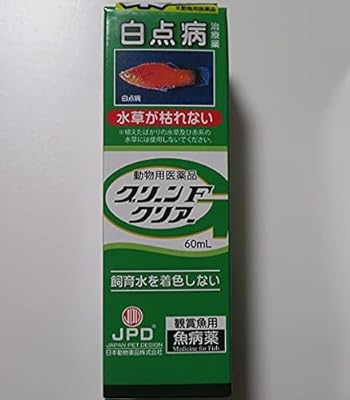
- 治療:抗真菌系薬剤(日本動物薬品 新グリーンFクリアなど)による薬浴。患部が広がる前に早めに対処する。
- 予防:傷を作らない環境づくり(鋭い底砂を避ける)。水換えを怠らず水質を清潔に保つ。
おすすめ(水カビ病薬)
日本動物薬品 新グリーンFクリア ── 水カビ病・白点病に対応した透明タイプの薬剤
新グリーンFクリアは、水カビ病や白点病などに効果を発揮する薬剤で、水を着色しない透明タイプが特徴です。薬浴中も水槽内の様子が見やすく、魚の状態変化をしっかり確認しながら治療を進められます。コンゴテトラのような観賞性の高い魚の治療に向いています。
pine cone disease
鱗が松ぼっくりのように逆立ち、腹部が膨れる重篤な細菌性疾患です。「エロモナス」という細菌が原因で、免疫力が大幅に低下した個体に発症します。進行が速いため気づいたら即対処が必要です。
- 治療:オキソリン酸系薬剤(日本動物薬品 グリーンFゴールドリキッドなど)による薬浴。重症化すると完治が難しいため、早期発見が何より大切。
- 予防:過密飼育を避ける。ストレスのない環境を維持する。エサの与えすぎによる水質悪化を防ぐ。
おすすめ(細菌性疾患・松かさ病薬)
日本動物薬品 グリーンFゴールドリキッド ── 細菌性疾患の治療に幅広く使える定番液体薬
グリーンFゴールドリキッドは、松かさ病・穴あき病・尾ぐされ病など幅広い細菌性疾患に対応した魚病薬です。液体タイプなので計量しやすく、規定量を正確に添加しやすいのが特徴です。コンゴテトラを含む多くの熱帯魚の細菌性疾患治療薬として、ひとつ常備しておくと安心です。

病気を防ぐ基本ケア
- 週1回の定期水換え(1/4〜1/3)を欠かさない
- 水温計を常時設置し、急激な温度変化がないか毎日確認する
- エサの食べ残しを放置しない(スポイトで除去する習慣をつける)
水換えの際に水質調整剤を使用することで、水道水の塩素除去や水質の安定化をより確実に行えます。
おすすめ(水質調整剤)
Tetra パーフェクト ウォーター ── 水換えのたびに使える多機能水質調整剤
テトラ パーフェクトウォーターは、水道水の塩素除去だけでなく、重金属の無害化・有害物質の除去・粘膜保護など複数の機能を1本でこなす多機能タイプの水質調整剤です。水換えのたびに適量を添加するだけで、コンゴテトラにやさしい水環境を整えることができます。

推奨飼育セットの提案
コンゴテトラを快適に飼育するための、おすすめ器具の組み合わせをご紹介します。初めて飼育される方はここで紹介するカテゴリを参考に器具を揃えてみてください。
| カテゴリ | おすすめ | 理由 |
|---|---|---|
| water tank | 60cm以上(複数飼育は90cm) | 体長8〜10cmの大型テトラのため遊泳スペースを十分に確保する必要あり |
| filter (esp. camera) | 外掛け式フィルター(Tetra ATシリーズ等) | 設置が手軽で初心者向け。水槽セットへの付属品としても人気 |
| heater | オートヒーター 150〜200W(26℃固定式) | 設定不要で安定した水温を維持。コスト面でも初心者に最適 |
| 底砂 | 黒系ソイルまたは暗色砂利 | コンゴテトラの虹色の発色を引き立てる暗めの底砂が効果的 |
| feed | 中型熱帯魚向けフレーク+冷凍赤虫 | 主食フレーク+動物性タンパクの組み合わせで発色・健康管理に最適 |
| 水草・装飾 | アヌビアス・ナナ、流木、溶岩石 | 硬葉水草は食害されにくく、流木・石はアフリカの自然環境を再現 |
| chemicals | グリーンFゴールドリキッド・メチレンブルー | 白点病・尾ぐされ病に対応。常備しておくと早期対処できる |
| 水温計 | デジタル水温計 | 毎日の水温確認に必須。デジタル式は読み間違えが少なく安心 |
水槽・フィルター・ヒーターの中で、予算的に最初に妥協しにくいのが水槽サイズです。「60cmで始めて手狭になったら90cmに買い替え」という流れが多いですが、コンゴテトラを10匹以上で群れさせたいなら最初から90cm水槽を選ぶほうが結果的にコストを抑えられる場合があります。
「水槽って、どれを選べばいいの?」——アクアリウムを始めようとした瞬間、多くの方がこの壁にぶつかります。ホームセンターやアクアショップに足を運ぶと、小さなコンパクト水槽から迫力ある大型水槽まで、サイズも形状も素材もバラバラ。値段の差もか[…]
よくある質問(FAQ)
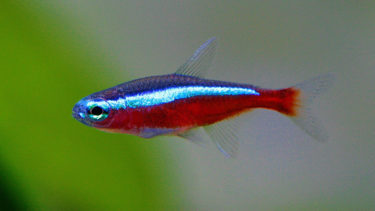
頭から尾びれの先まで一本走るメタリックブルーのライン、そしてその下を覆う燃えるような真っ赤な体色——水槽に泳ぐカージナルテトラを初めて見たとき、「熱帯魚ってこんなに鮮やかなんだ」と思った方も多いのではないでしょうか。10匹・20匹と群れ[…]
まとめ
コンゴテトラは、アフリカ・コンゴ川が原産のカラシン科の熱帯魚で、体側に輝く虹色の光沢と独特の二股尾びれが最大の特徴です。カラシン科の中でも比較的大型の部類に入り、成熟したオスは8〜10cmに達します。体が大きい分、最低でも60cmの水槽が必要ですが、その分だけ飼育した際の存在感と迫力は格別です。
飼育のポイントは次の4点に集約されます。水温は24〜28℃をヒーターで安定維持すること、フィルターは外部式で十分なろ過力を確保すること、水草は食害されにくい硬葉水草か流木レイアウトを選ぶこと、そして群れで飼うことで本来の美しさを最大限に引き出すことです。
光によって表情を変える虹色の体、そして水槽の中を一斉に流れる群れの美しさ——コンゴテトラは、一度飼いはじめると手放せなくなる魅力を持った魚です。アフリカ大陸の大河から旅してきたこの魚を、ご自宅の水槽でぜひ存分に楽しんでください。
水槽の前に立ったとき、群れをつくって颯爽と泳ぐ銀色の魚体と、その頭部だけが燃えるように赤く染まっている姿——はじめて見た方が「あの赤い頭の魚、なに?」と思わず声に出してしまうのが、ラミーノーズテトラです。派手すぎず、しかし目を引く。そん[…]