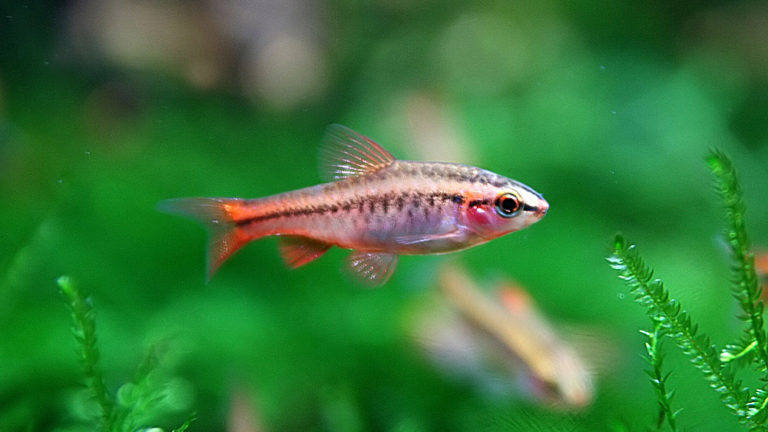
水槽を覗いたとき、まるでさくらんぼが泳いでいるような濃い赤色の魚に目を奪われたことはありませんか。チェリーバルブは、その名のとおり熟したさくらんぼを思わせる鮮やかな体色が最大の魅力です。温和な性格でほかの魚とも仲良くできる上、スネール(貝類の害虫)を食べてくれるという、アクアリストにとって非常に頼もしい存在でもあります。
チェリーバルブは、コイ目コイ科プンティウス属に分類される熱帯魚で、学名は Puntius titteya(プンティウス・ティッティア)です。原産地はインド洋に浮かぶ島国・スリランカのケラニ川とニルワラ川流域。流れの緩やかな、水草が豊富な小川や水路に生息しています。体色はオスが濃い赤色(深紅〜チェリーレッド)、メスが淡い黄色〜ゴールドと、オスとメスで大きく異なるのも特徴のひとつです。今回は、そんなチェリーバルブの特徴・歴史・飼い方を余すところなくお伝えします。
この記事をまとめると
- 飼育難易度は低めで初心者にも向く熱帯魚だが、ヒーターと水質管理は欠かせない
- オスは繁殖期に体色が鮮烈な赤に変わり、婚姻色が美しい見どころになる
- スネール(巻き貝の害虫)を食べる天然の駆除役として混泳水槽でも大活躍
迷ったらこれを選べば間違いなし(水槽セット)
GEX マリーナ600BKST LED&デュアルクリーンセット ── 水槽・フィルター・ライトが揃うオールインワンセット

 ポチップ
ポチップ迷ったらこれを選べば間違いなし(エサ)
Tetra テトラミン ── 世界中で支持される小型熱帯魚の定番フレークフード

What is a cherry valve?
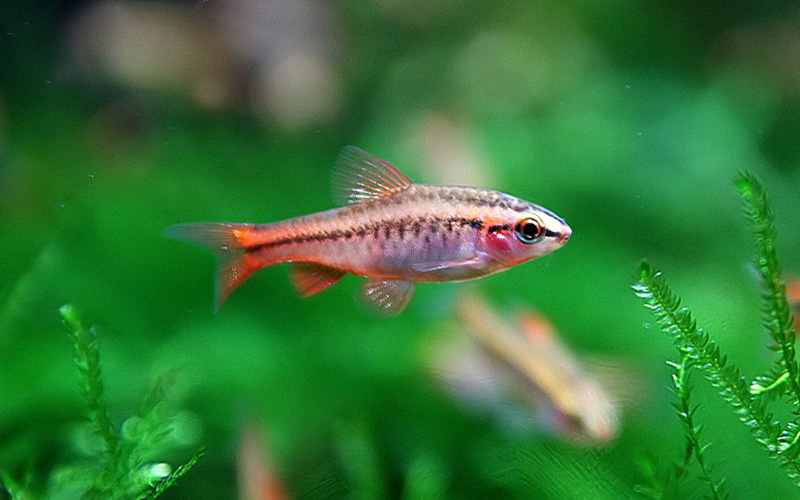
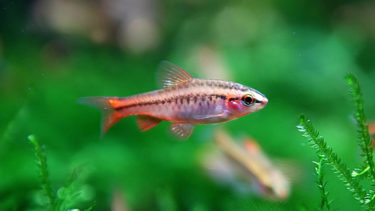
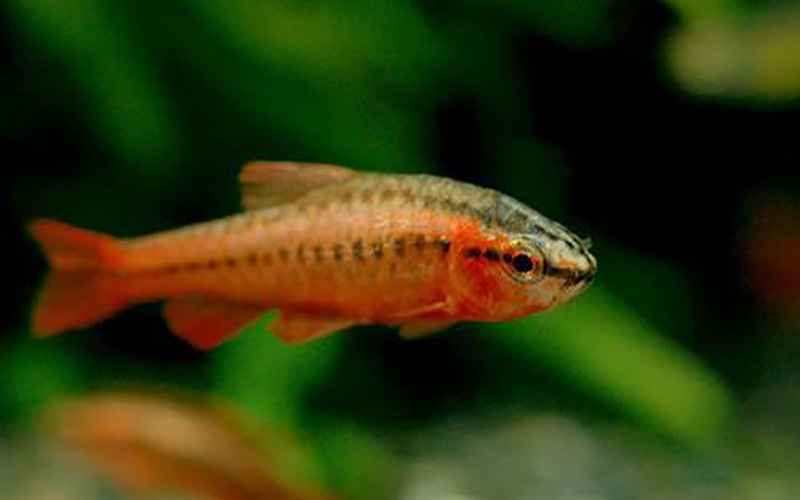
チェリーバルブは全長4〜5cmほどの小型の熱帯魚です。細長くスリムな体型に、オスは鮮やかな深紅〜チェリーレッド、メスは淡い黄色〜ゴールドをベースに体側に黒いラインが入ります。名前の「チェリー(さくらんぼ)」はオスのこの体色から名付けられました。背ビレ・腹ビレは小さく整っており、全体的にすっきりとした美しいフォルムをしています。繁殖期のオスはさらに体色が増し、まるで水槽に赤い宝石が泳いでいるような鮮やかさになります。
チェリーバルブの最大の特徴は、観賞魚としての美しさだけでなく「スネール(スネイル)イーター」としての実用性を兼ね備えていることです。スネールとは水槽に発生するタニシ・ラムズホーン・モノアラガイなどの巻き貝の総称で、放置すると水槽内で爆発的に増殖してしまいます。チェリーバルブはこれらの小さな貝を好んで食べるため、スネール対策として非常に頼りになる存在です。さらに、プラナリア(扁形動物の一種で水槽に侵入する白い虫)も捕食する報告があります。性格はおとなしく、群れで飼育すると落ち着いた行動を見せます。
チェリーバルブの成り立ち・歴史
チェリーバルブの学名 Puntius titteya は、1929年にイギリスの魚類学者エチェルウィン・ロース(Ethelwynn Trewavas)とダグラス・スウィンホー(Douglas E. Swinnertion)によって記載されました。「titteya」はスリランカの現地語(シンハラ語)で「赤い魚」を意味するという説があります。
アクアリウム業界への流通は1930〜1940年代頃から始まり、欧米を中心に「チェリーバルブ」の愛称で急速に広まりました。日本にも戦後の熱帯魚ブームに乗って輸入されるようになり、現在ではペットショップでもよく見かける定番種のひとつです。スリランカはこの魚の主要な輸出国ですが、同国では生息地の開発や環境汚染により野生個体数が減少傾向にあるとも報告されています。現在流通しているほとんどの個体は東南アジアの養殖場(ファーム)で繁殖・育成されたものです。
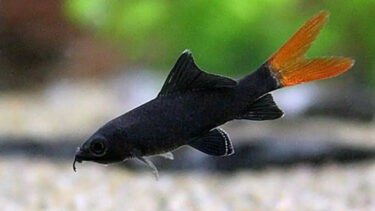
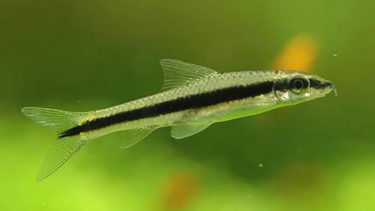
水槽の壁面やレイアウト素材にじわじわと広がってくる黒髭ゴケ——アクアリストを悩ませるこの手強いコケを、黙々と食べ続けてくれる心強い存在がいます。それがサイアミーズ・フライングフォックスです。口元から尾びれの先端まで一直線に走る黒いライン[…]
How to keep cherry valves
飼育の基本を押さえれば、チェリーバルブは初心者でも安心して楽しめる熱帯魚です。以下の基本データを参考に、まずは環境を整えることから始めましょう。
基本スペック一覧
| 項目 | 目安・詳細 |
|---|---|
| 学名 | Puntius titteya |
| 分類 | コイ目 コイ科 プンティウス属 |
| 原産地 | スリランカ(ケラニ川・ニルワラ川流域) |
| 体長 | 最大約4〜5cm |
| 寿命 | 約3〜5年(飼育環境による) |
| 適水温 | 23〜27℃(適温25〜26℃) |
| 適pH | 5.5〜7.0(弱酸性を好む) |
| 水硬度(GH) | 2〜12dGH(軟水〜中硬水) |
| 推奨水槽 | 30〜60cm以上(5匹以上の群れなら60cm推奨) |
| filter (esp. camera) | 外掛け式・スポンジフィルターなど(強すぎる水流は避ける) |
| heater | 必要(26℃固定式推奨) |
| feed | 人工フレーク・顆粒・冷凍アカムシ・ブラインシュリンプなど |
| 難易度 | ★★☆☆☆(初心者向け) |
表に関する補足
水温について:チェリーバルブは比較的幅広い水温に対応できますが、急激な温度変化には弱い面があります。夏場の高温(30℃超え)や冬場の急冷(20℃以下)は体調不良の原因になるため、ヒーターでの管理が安心です。
pHと硬度について:弱酸性(pH5.5〜7.0)が最も得意なレンジです。ただし国内の水道水は中性〜弱アルカリ性のことが多く、そのまま使っても問題なく飼育できます。繁殖を目指す場合は弱酸性・軟水に寄せると成功率が上がります。
難易度について:飼育自体は難しくありませんが、繁殖となるとやや上級者向けの管理が必要になります。まずは飼育を楽しみながら、徐々にステップアップしていきましょう。
水槽の選び方
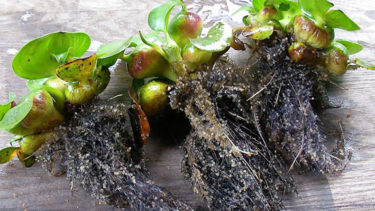
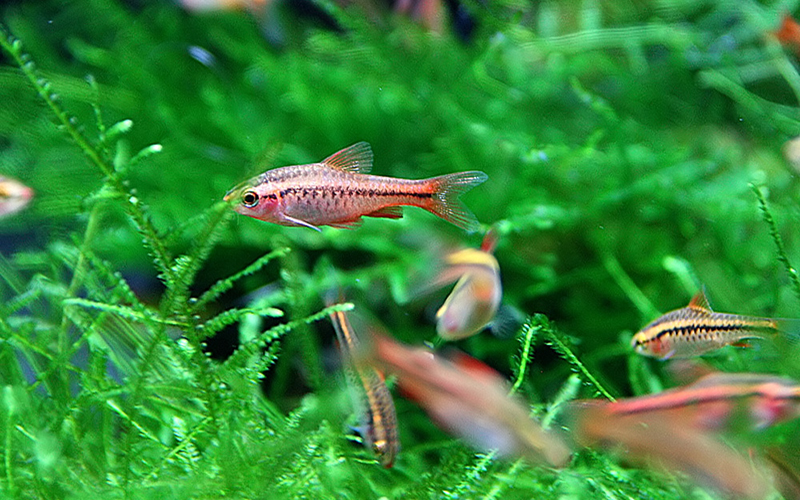
チェリーバルブは小型魚ですが、群れを作って泳ぐ習性があるため、できれば5匹以上での複数飼育をおすすめします。1〜3匹の少数飼育なら30cm水槽でも対応できますが、5匹以上の群れを楽しむなら60cm規格水槽(約60×30×36cm)が理想的です。水草(水中に植える草)をたっぷり入れてあげると、チェリーバルブが葉の間をくぐり抜けながら泳ぐ自然な姿を観察でき、ストレス軽減にもなります。水草の中でも、ウィローモス(苔状の水草)やアヌビアス・ナナ(丸い葉の丈夫な水草)はチェリーバルブの隠れ家にもなるのでとくにおすすめです。
飼育アドバイス:水槽に暗めの底砂(ソイルや黒砂)を敷くと、チェリーバルブの赤色がより映えて美しく見えます。砂の色と体色のコントラストを楽しむのも、この魚ならではの醍醐味です。
これからチェリーバルブ飼育を始める方には、水槽・フィルター・ライトがひとつにまとまったスターターセットがとくに便利です。
おすすめ(水槽スターターセット)
GEX マリーナ600BKST LED&デュアルクリーンセット ── 水槽・フィルター・LEDライトが揃う60cmオールインワンセット
GEXの人気スターターセットで、60cm規格水槽・デュアルクリーン(外掛け式フィルター)・LEDライトが一式そろっているため、「何を買えばいい?」と迷わずにすみます。チェリーバルブの群れ飼育に最適な60cmサイズで、水量も多く水質が安定しやすいのが大きなメリット。デュアルクリーンフィルターは水流調節が可能で、弱水流が好ましいチェリーバルブにも対応しやすいです。コンパクトなブラックフレームがインテリアにもなじみ、はじめての水槽選びとして自信を持っておすすめできるセットです。
ポチップフィルターの選び方
フィルターとは水をきれいに保つための装置です。チェリーバルブは強い水流が苦手なため、外掛け式フィルターやスポンジフィルターが相性良好です。外掛け式フィルターはメンテナンスが簡単で初心者にも扱いやすく、30〜60cm水槽に対応した製品が豊富に揃っています。外部フィルター(水槽外に設置するパワフルなタイプ)を使う場合は、シャワーパイプ(水を広く分散させる部品)で水流を弱めてあげましょう。チェリーバルブが水流に逆らって泳ぎ続けると疲弊してしまうので、水面がごく緩やかに揺れる程度が目安です。
飼育アドバイス:スポンジフィルターはエアーポンプを別途接続する必要がありますが、稚魚が吸い込まれるリスクが低く、繁殖を視野に入れているなら最初からスポンジフィルターを選ぶのが賢い選択です。
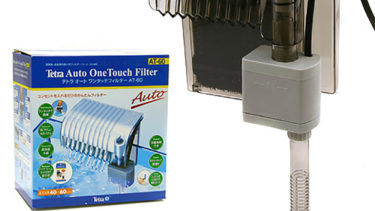
チェリーバルブに最適な水流環境を作るなら、外掛け式フィルターが導入のしやすさと性能のバランスが取れています。
おすすめ(フィルター・ろ過器)
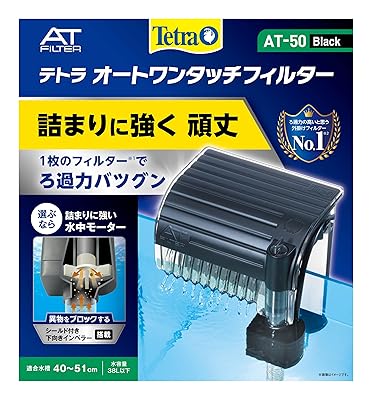
Tetra オートワンタッチフィルター ATシリーズ ── 水流調節ダイヤル付きで弱水流に対応
外掛け式フィルターの定番中の定番で、吐出量をダイヤルひとつで調節できる点がチェリーバルブ飼育にぴったりです。静音設計で稼働音が控えめなので、リビングや寝室に水槽を置く場合にも安心。フィルターカートリッジを交換するだけでメンテナンスが完了するため、初心者の方でも手間がかかりません。水槽サイズに合わせてAT-20からAT-75Wまでラインアップが揃っており、チェリーバルブの複数飼育に最適な流量を選べます。
How to choose a heater
チェリーバルブは熱帯魚なので、国内での通年飼育にはヒーターが必須です。水温が20℃を下回ると動きが鈍くなり、免疫力も下がって病気にかかりやすくなります。初心者の方には温度を自動で26℃に保ってくれる26℃固定式ヒーターがとくにおすすめです。設定操作が不要なので、間違えて高温にしてしまうミスがありません。水槽サイズに対応したワット数(W数)の製品を選ぶのがポイントで、30cm水槽なら50W前後、60cm水槽なら150〜200W程度が目安です。
飼育アドバイス:ヒーターは「サーモスタット一体型」と「サーモスタット別体型」の2種類があります。初心者には温度設定不要の一体型(オートヒーター)が断然おすすめです。サーモスタット別体型は温度の細かい調整が可能ですが、設定ミスのリスクもあるため、慣れてきてから挑戦しましょう。
おすすめ(ヒーター)
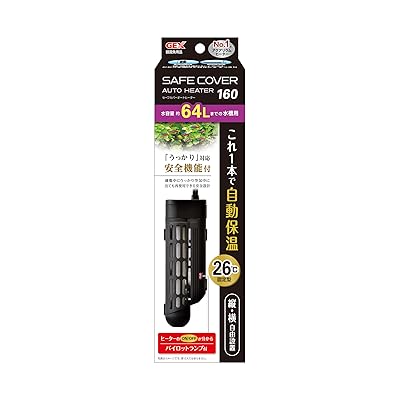
GEX AQUA HEATER セーフカバーオートヒーター ── ガードカバー付きで魚にやさしい安心設計
GEXのセーフカバーオートヒーターは、ヒーター本体が熱くなっても魚が直接触れないようにカバーが付いているため、チェリーバルブが低温火傷する心配がありません。温度センサー内蔵で水温を自動管理し、温度設定の操作は一切不要。国内メーカーの安心品質で、万が一の過昇温防止機能も備わっています。水槽サイズに合わせてワット数を選ぶことができるのも便利です。
 ポチップ
ポチップエサの選び方
チェリーバルブは雑食性で、食欲旺盛なので給餌はそれほど難しくありません。市販の熱帯魚用フレークフードや小粒の顆粒フードをメインに、週に2〜3回ほど冷凍アカムシや冷凍ブラインシュリンプ(小エビの幼生を冷凍したもの)を与えると、体色の発色が良くなり、繁殖にも好影響を与えます。1回の給餌量は2〜3分で食べきれる量が目安で、食べ残しが出ると水質悪化の原因になるので注意しましょう。1日1〜2回の給餌が基本です。
飼育アドバイス:チェリーバルブはスネール(巻き貝)も食べてくれますが、人工フードを十分に与えていれば貝の除去はあくまでおまけ的な行動になります。逆にエサが足りていないと他の魚のヒレをつついてしまうことがあるので、適切な量を毎日あげることが大切です。
おすすめ(エサ・フード)
Tetra テトラミン ── 世界中で支持される小型熱帯魚の定番フレークフード
テトラミンはチェリーバルブはもちろん、小型熱帯魚全般のメインフードとして長年愛されているスタンダードフードです。栄養バランスが優れており、体色の維持・免疫力の強化に貢献する成分が含まれています。フレーク状で水面に浮きやすく、指先で軽くほぐしてから与えると小さなチェリーバルブでも食べやすい大きさになります。コストパフォーマンスも高く、初心者が最初に選ぶエサとして自信を持っておすすめできます。
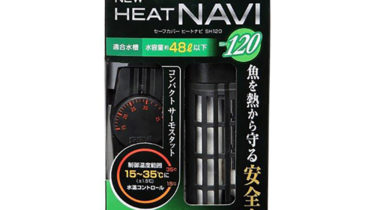
水槽を立ち上げたばかりの頃、ヒーターのコーナーに立ってみると種類の多さに戸惑った経験はありませんか?「オートヒーター」「サーモスタット一体型」「観賞魚用クーラー」――棚を眺めるほど、どれを選べばいいのか分からなくなってしまうものです。[…]
Points to keep in mind when mixing swimmers
チェリーバルブは基本的に温和でおとなしい性格のため、混泳に向いている熱帯魚です。ただし、ひとつ注意点があります。チェリーバルブはオス同士でヒエラルキー(序列)を作る傾向があり、特に小さい水槽でオスが2匹だけいる場合、弱い方が一方的にいじめられることがあります。オスを複数飼育する場合は3匹以上のオスを一緒にするか、オス1に対してメス2〜3の比率にすると力関係が分散されて安定します。
また、チェリーバルブはヒレの長い魚(グッピーやベタなど)を見ると、誤ってヒレをつつく場合があることも知っておきましょう。これはチェリーバルブが攻撃的というよりも、長いヒレを食べ物と誤認してしまうことがあるためです。相手の魚のヒレがボロボロになってきたら混泳相手を見直すサインです。
混泳に向いている種
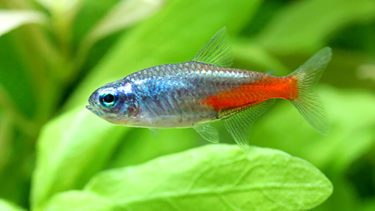
- ネオンテトラ ─ 温和で同サイズ・同水温帯で飼育しやすく最もポピュラーな混泳相手
- カージナルテトラ ─ ネオンテトラ同様の小型カラシン系で相性抜群
- グローライトテトラ ─ おとなしい小型種でトラブルになりにくい
- アカヒレ ─ 強健で水質適応幅が広く、チェリーバルブと混泳実績が豊富
- ラスボラ・エスペイ ─ 同じコイ科の小型種で相性が良く、混泳水槽に彩りを加える
- コリドラス ─ 底層を泳ぐ底物系なので遊泳域が重ならずストレスが少ない
- オトシンクルス ─ コケ取り役として共存でき、互いに干渉しない
- ヤマトヌマエビ・ミナミヌマエビ ─ 成体であれば基本的に食べられず、清掃役として重宝(稚エビは捕食される可能性あり)
要注意の種
- グッピー ─ 長い尾ビレをつつかれるリスクがある。試してみる場合は広い水槽と水草の隠れ家が必要
- エンゼルフィッシュ ─ 大型化するとチェリーバルブを捕食するリスクがあるため、幼魚期のみ混泳可
- ゴールデンバルブ・タイガーバルブ ─ 同じバルブ系だが気性が荒く、ヒレをかじることがある
混泳を避けたほうがいい種
- ベタ ─ ヒレが極めて長く、チェリーバルブがつつくリスクが非常に高い。単独飼育が基本
- ディスカス・フラワーホーン ─ 大型シクリッドはチェリーバルブを捕食してしまう
- アロワナ・ポリプテルスなどの大型魚 ─ チェリーバルブは一口サイズの餌になってしまう
- スネールを増やしたい場合 ─ チェリーバルブが食べてしまうため目的と相反する(スネール駆除目的なら逆に活躍してくれる)
水槽の中を流れるように群れ泳ぐ、青と赤の鮮やかなライン——熱帯魚をはじめて見た方でも、思わず「きれい」と声が出てしまうような魚がいます。それがネオンテトラです。名前の由来にもなったメタリックブルーのネオンのような輝きは、熱帯魚の中でもひ[…]
Points about spawning
産卵のタイミングと婚姻色(繁殖サイン)
チェリーバルブの繁殖は熱帯魚の中では比較的取り組みやすい部類ですが、きちんと手順を把握しておくことで安定した繁殖が可能になります。まず、繁殖に適した個体を見極めることが第一歩です。チェリーバルブは生後4〜6ヶ月ほどで性成熟(繁殖できる状態)に達します。購入時はできるだけ若い個体(体色がはっきりしており、ヒレに傷がないもの)を選ぶようにしましょう。
繁殖期を迎えたオスは、通常時よりもさらに体色が鮮烈な深紅に染まります。これがチェリーバルブの「婚姻色」で、見る者すべてを魅了する圧倒的な美しさです。オスがメスにアプローチするとき、体色はピーク状態になり、ヒレを広げながら体を震わせるような求愛ダンスを見せてくれます。この瞬間を目にするために繁殖にチャレンジしている方も少なくないほど、感動的な場面です。メスのお腹が丸みを帯びて膨らんできたら産卵が近いサインです。
オスとメスの見分け方:
- オス ─ 体色が濃い赤〜チェリーレッド。繁殖期にさらに濃くなる
- メス ─ 体色が淡い黄色〜ゴールド。お腹がオスより丸みを帯びている
産卵〜稚魚育成の流れ
| ステップ | 内容 |
|---|---|
| 1. 繁殖用水槽を準備 | 20〜30cm水槽にウィローモスや細かい水草を敷き詰める。水温を25〜27℃に設定し、スポンジフィルターで弱い水流を維持する。 |
| 2. ペアを繁殖水槽へ移動 | オス1匹・メス1〜2匹を繁殖水槽に移す。冷凍ブラインシュリンプや冷凍アカムシを多めに与えて栄養状態を高める(コンディショニング)。 |
| 3. 産卵・親魚を隔離 | チェリーバルブは水草の根元や葉に卵を産み付ける(散卵型)。卵は透明で小さく数十〜百粒程度。親魚は卵を食べてしまうため、産卵確認後すぐに親魚を別水槽に戻す。 |
| 4. 孵化〜稚魚育成 | 卵は水温25〜27℃で24〜36時間ほどで孵化する。孵化した稚魚は最初の2〜3日はヨークサック(卵黄嚢)の栄養を吸収して過ごし、その後インフゾリア(微生物)やブラインシュリンプのノープリウス(孵化直後の稚エビ)を与え始める。 |
飼育アドバイス:稚魚の水槽はヒーターの使用が不可欠です。もし別途稚魚用ヒーターを購入するのが難しい場合は、親水槽内に「産卵ネット」や「稚魚隔離ケース」を設置して水温を共有する方法も有効です。ホームセンターやペットショップで数百円から購入できます。
金魚を飼い続けていると、いつかはきっと「増やしてみたい」と思う日が来ます。泳ぎ回る小さな稚魚の姿を想像するだけで、胸が高鳴りますよね。しかし、金魚の産卵は決して簡単なものではありません。正しい知識なしに挑んでしまうと、せっかく育てたメス[…]
What to keep in mind when keeping cherry valves
水温の急変に注意する
チェリーバルブは水温の急激な変化に敏感です。購入してきた直後の「水合わせ」は特に重要で、水槽の水温とビニール袋内の水温を少しずつ合わせてから放流するようにしてください。具体的には、ビニール袋ごと水槽に浮かべて15〜20分待ち、その後袋内に少量ずつ水槽の水を加えながら30分〜1時間かけて水質・水温を均等化させる「水合わせ」を丁寧に行いましょう。
スネール駆除は「補助的な役割」と理解する
チェリーバルブはスネール(タニシ・ラムズホーン・モノアラガイなど)を食べてくれますが、繁殖力が旺盛な貝には追いつかないこともあります。少数飼育で大量発生した貝を全滅させるのは難しいため、チェリーバルブを中長期的なスネール抑制役として位置付け、物理的な除去や貝を食べる別の薬品との併用を検討するとより効果的です。また、大型の貝(イシマキガイ・タニシなど)はチェリーバルブには処理できないため、人の手で取り除く必要があります。
ヒレが長い魚との混泳を避ける
グッピーやベタなど、ヒレが長くひらひらとしている魚と同じ水槽に入れると、チェリーバルブがヒレをつついてしまうことがあります。これは「ヒレかじり(フィンニッピング)」と呼ばれる行動で、相手の魚がストレスでケガをしたり、傷口から病気になるリスクがあります。事前に混泳相手の特性を調べてから導入するようにしましょう。
オス同士の関係に気をつける
チェリーバルブのオスは繁殖期に活発にメスを追い、他のオスとも小競り合いをします。水槽が狭い場合や、オスが少数だと1匹が弱者に集中的なアプローチをしてしまうことがあります。オスを複数飼育する場合は3匹以上を目安に、かつ十分な広さの水槽とたくさんの水草を用意して逃げ場を確保しましょう。
水質悪化のサインを見逃さない
チェリーバルブが底の方でじっとしている、体色がくすんできた、ヒレがボロボロになってきた、などは水質悪化・体調不良のサインです。このような状態を見つけたら、まず水換え(全体量の20〜30%を目安に新鮮な水と交換)を行いましょう。水換えは週に1回を基本とし、コケや食べ残しがひどい場合は回数を増やします。水温・pHの急激な変化には特に注意が必要です。
飼育アドバイス:チェリーバルブを新しく水槽に迎え入れた後は、最初の1週間が最も体調を崩しやすい時期です。購入後はしばらく餌を控えめにして水槽環境への適応を助けてあげると、その後の調子が良くなります。
かかりやすい病気と対策・予防
チェリーバルブは比較的丈夫な熱帯魚ですが、水質悪化や急激な温度変化が続くと病気にかかりやすくなります。早期発見・早期対処が回復への近道です。
ich (Ichthyophthirius multifiliis)
体表や各ヒレに白い点々(塩粒のような大きさ)が現れる病気で、熱帯魚の最も一般的な病気のひとつです。Ichthyophthirius multifiliis(イクチオフチリウス)という寄生虫が原因です。
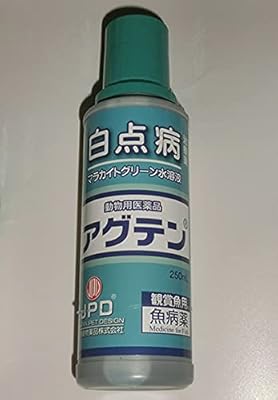
- 治療:水温を28〜30℃に上げて寄生虫の活動を抑え、「日本動物薬品 アグテン」などの白点病用薬で薬浴を行う。投薬は用量・用法を必ず守ること。
- 予防:水温を安定させ、急激な温度変化を防ぐ。新しい魚を導入する前にトリートメントタンク(隔離水槽)でしばらく様子を見る習慣をつける。
おすすめ(白点病薬)
日本動物薬品 アグテン ── 水草・エビに影響が少ない白点病特化の定番薬
アグテンはマラカイトグリーンを有効成分とした白点病専用の魚病薬で、本水槽に水草が入っていてもそのまま使いやすい点が大きな特徴です。エビや貝類への影響が比較的少なく、チェリーバルブと混泳相手がいる水槽でも使いやすい薬として長年アクアリストに支持されています。白点が現れた初期段階での使用が最も効果的です。
degenerative eye disorder caused by cloudiness in front of the pupil
尾ビレや各ヒレの先端がボロボロに溶けるように傷んでいく細菌性の病気です。Flavobacterium columnare(カラムナリス菌)が原因で、水質悪化や外傷から感染します。
- 治療:「日本動物薬品 エルバージュエース」などの細菌性疾患用薬で薬浴を行う。発症したら早めに対処するほど回復が早い。
- 予防:定期的な水換えと適切なろ過の維持。ヒレをかじられた魚がいる場合は速やかに隔離して二次感染を防ぐ。
おすすめ(細菌性疾患薬)
日本動物薬品 エルバージュエース ── 尾ぐされ病・穴あき病に対応する高信頼の細菌性疾患薬
エルバージュエースはエンロフロキサシンを有効成分とした強力な抗菌薬で、尾ぐされ病・穴あき病・カラムナリス症など細菌性の病気全般に対応します。少量でも効果を発揮するため、小型魚への使用時には規定量を守りながら適切に薄めて使うことが重要です。進行が速い尾ぐされ病への初動対処薬として、ひとつ手元に置いておくと安心感が違います。

water mold
体表・傷口・卵などに白い綿状のカビが生える病気です。傷や免疫低下がきっかけで発症しやすくなります。
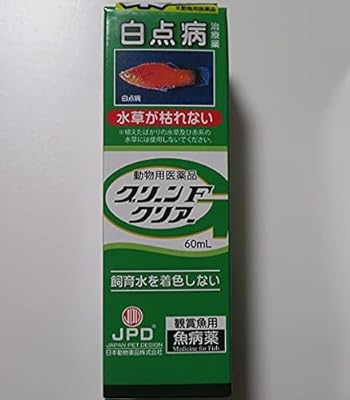
- 治療:「日本動物薬品 新グリーンFクリア」での薬浴が有効。カビが生えた部分を綿棒でそっと取り除いてから薬浴すると効果が上がる。
- 予防:傷のある魚を早期に発見して隔離する。底砂の定期的な掃除と水質管理が基本。
おすすめ(水カビ病薬)
日本動物薬品 新グリーンFクリア ── 水カビ病・白点病に対応する透明タイプの使いやすい薬
新グリーンFクリアはトリクロルホンを主成分とした魚病薬で、水カビ病・白点病・吸虫などに幅広く対応します。従来のグリーンF系薬剤と異なり水が着色しにくい透明タイプのため、水槽の見た目が気になる方にも使いやすいと好評です。水草やエビへの影響があるため薬浴は別容器で行うことが推奨されますが、効果は確かで多くのアクアリストから信頼されています。
pine cone disease
鱗が松かさ(松ぼっくり)のように立ち上がって見える病気です。Aeromonas hydrophila(エロモナス菌)が原因で、進行すると治療が難しい厄介な病気です。
- 治療:「日本動物薬品 グリーンFゴールドリキッド」での薬浴。初期発見なら0.5%の塩水浴(飼育水に対して食塩を0.5%溶かす)との併用も有効。
- 予防:ストレスを与えないことが最重要。過密飼育・水質悪化・栄養不足を避け、免疫力を高めておくことが根本的な予防策。
おすすめ(松かさ病・エロモナス感染症薬)
日本動物薬品 グリーンFゴールドリキッド ── エロモナス感染症・細菌性疾患全般に対応するリキッドタイプ
グリーンFゴールドリキッドはフラン剤(ニトロフラゾン)を有効成分とし、エロモナス感染症(松かさ病・穴あき病)・尾ぐされ病・細菌性の皮膚病などに広く対応します。液体タイプで計量しやすく、必要な量だけ取り出して使えるので扱いやすいのも特徴です。松かさ病は初期発見が回復の鍵となるため、鱗の立ち上がりを見つけたらすぐに使い始めることが重要です。

病気を防ぐ基本ケア
- 週1回の水換え(全水量の20〜30%)を習慣にし、亜硝酸・アンモニアの蓄積を防ぐ
- ヒーターで水温を安定させ、急変(1日に2〜3℃以上の変化)を避ける
- 新しい魚・水草・流木を導入する前に、必ずトリートメントや洗浄を行って病原体の持ち込みを防ぐ
飼育アドバイス:病気の薬は「症状が出たときに慌てて買いに行く」ではなく、あらかじめ1〜2種類を手元に置いておくのが賢い選択です。白点病用・細菌性疾患用の2種類があれば、チェリーバルブの主要な病気の多くに対応できます。
おすすめ(水質調整剤・カルキ抜き)
Tetra パーフェクト ウォーター ── カルキ抜き+水質調整がこれ一本で完結する万能コンディショナー
テトラのパーフェクトウォーターはカルキ(塩素)を無害化するだけでなく、重金属の除去・バクテリアの活性化・魚の粘膜保護成分まで配合した多機能な水質調整剤です。水換えのたびに使うことで、チェリーバルブが暮らしやすい水環境を手軽に整えられます。水換えと同時にコンディショナーを加えるだけで完了するシンプルな使い方も、初心者の方にとって嬉しいポイントです。

推奨飼育セットの提案
「何を揃えればいいかわからない」という方のために、チェリーバルブを快適に飼育するためのおすすめアイテムをまとめました。初めての熱帯魚飼育の参考にしてください。
| カテゴリ | おすすめ | 理由 |
|---|---|---|
| 水槽セット | GEX マリーナ600BKST LED&デュアルクリーンセット | 水槽・フィルター・LEDライトが一式揃うオールインワンセット。はじめての飼育に最適 |
| フィルター(単体) | Tetra オートワンタッチフィルター ATシリーズ | 弱水流が得意なチェリーバルブに最適。初心者でも扱いやすくメンテナンスが簡単 |
| heater | GEX AQUA HEATER セーフカバーオートヒーター | 26℃固定式で温度設定不要。カバー付き安全設計で熱帯魚飼育の基本装備として必須 |
| 底砂 | ソイル(黒系)または暗色の砂利 | チェリーバルブの赤色が映えるコントラストが生まれる。水草育成にはソイルが有利 |
| water plant | ウィローモス・アヌビアス・ナナ | 丈夫で育てやすく、チェリーバルブの隠れ家・産卵床として最適 |
| feed | Tetra テトラミン+冷凍アカムシ | 毎日のメインフードはフレーク、週2〜3回の冷凍アカムシで発色と繁殖を促進 |
| 水質調整剤 | Tetra パーフェクト ウォーター | カルキ抜き+重金属除去+粘膜保護がこれ一本。水換えのたびに使える万能コンディショナー |
| 魚病薬 | 日本動物薬品 アグテン(白点病用) | 水草・エビに影響少なく本水槽でも使いやすい。万が一の白点病対策として常備推奨 |
飼育アドバイス:GEX マリーナ600BKSTのLED&デュアルクリーンセットは水槽・フィルター・ライトがセットになっており、はじめての熱帯魚飼育にコスパよく揃えられる便利なスターターセットです。ヒーターと魚病薬を追加購入すれば、チェリーバルブ飼育の必要品がほぼすべて揃います。
「フィルターって、どれを選べばいいの?」――アクアリウムを始めようとすると、必ずこの壁にぶつかります。外部式・上部式・投げ込み式・底面式・スポンジ式……種類が多すぎて、どれが自分に合っているのかわからない。「とりあえず安いやつを買ったら[…]
よくある質問(FAQ)
水槽に手を入れた瞬間、魚たちがそっと近づいてきて、皮膚をやさしくつついていく——そんな不思議な体験をしたことはありますか?それがまさにガラ・ルファとの出会いです。ショッピングモールの「ドクターフィッシュ体験」コーナーで一度は見かけたこと[…]
まとめ
チェリーバルブは、さくらんぼのような深みのある赤色をまとったオスと、淡い金色のメスが水槽内に彩りを添えてくれる、とても魅力的な熱帯魚です。スリランカのケラニ川・ニルワラ川を原産とし、温和な性格と丈夫さから初心者にも取り組みやすい種として長年にわたって親しまれています。さらに、スネール(巻き貝の害虫)を食べてくれる実用的な一面も持ち合わせており、観賞魚としてだけでなく水槽の「お掃除役・管理係」としても頼りになる存在です。
飼育のポイントをまとめると、まずはヒーターで水温を23〜27℃に安定させること、次に弱水流のフィルターで水質を清潔に保つこと、そして5匹以上の群れで飼育するとのびのびとした自然な姿が楽しめることの3点が特に重要です。水草をたっぷりレイアウトしてあげると、隠れ場所ができてチェリーバルブが安心し、繁殖期には婚姻色で輝くオスの美しさをより近くで観察できます。
繁殖期の「婚姻色」を纏ったオスのチェリーバルブは、まさに水槽に咲いた真紅の花のような存在です。その一瞬の美しさのために飼育を続けているアクアリストも多く、ぜひみなさんにもその感動を体験していただきたいと思います。チェリーバルブの飼育は、きっとあなたのアクアリウムライフをより豊かで彩り豊かなものにしてくれるはずです。
成長するにつれてどんどん大きく、色鮮やかに育っていく背ビレ——それが、ドレープフィンバルブを語るうえで外せない最大の魅力です。購入したときは小さくて地味に見えるのに、しっかり育てていくと「こんなに立派になるの?」と驚くほど変化する。その[…]