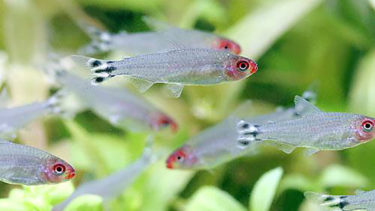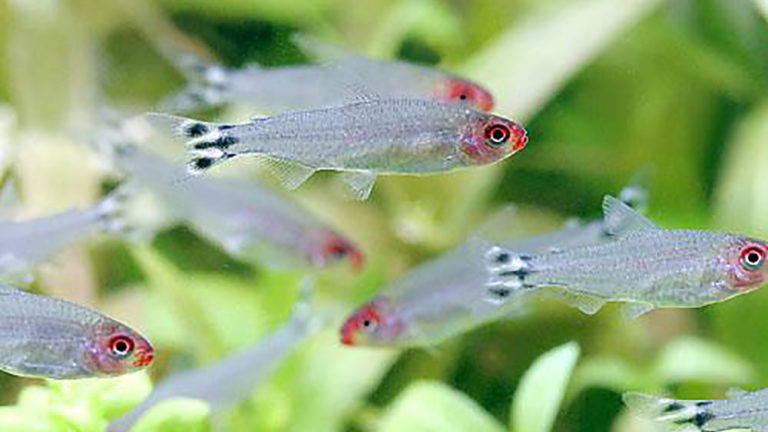
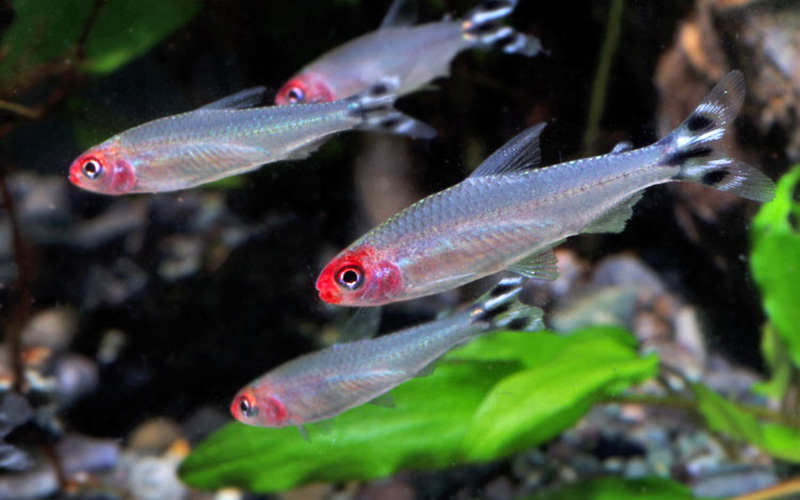
水槽の前に立ったとき、群れをつくって颯爽と泳ぐ銀色の魚体と、その頭部だけが燃えるように赤く染まっている姿——はじめて見た方が「あの赤い頭の魚、なに?」と思わず声に出してしまうのが、rummy-nose tetra (Hemigrammus bleheri)です。派手すぎず、しかし目を引く。そんな絶妙なバランスの体色が、長年にわたってアクアリストたちを魅了し続けています。
ラミーノーズテトラは、カラシン目カラシン科ヘミグランムス属に分類される小型の熱帯魚です。学名は Hemigrammus bleheri(ヘミグランムス・ブレヘリ)といい、南米のブラジル・コロンビアにまたがるネグロ川・メタ川流域を原産地とします。薄暗く、タンニンを多く含む弱酸性の黒っぽい水(ブラックウォーター)の中を、数百匹規模の大群で泳ぐ姿が現地で確認されており、その群れで泳ぐ習性こそがこの魚の最大の魅力です。ショップではほぼ通年入手でき、価格も比較的手頃なことから、初心者から上級者まで幅広い層に親しまれています。
「ラミーノーズ(Rummy-nose)」とは英語で「酔っぱらいの鼻」を意味します。真っ赤に染まった頭部が、まるでお酒に酔って鼻が赤くなった人のようだ、ということからその名前がつきました。この愛嬌のある名前と、見た目のインパクト——それがラミーノーズテトラが長年愛され続けてきた理由のひとつだと、私たちは考えています。
この記事をまとめると
- 弱酸性・軟水・25〜27℃の水質管理とheaterが飼育成功の鍵
- 温和な性格で小型カラシンやコリドラスとの混泳向き。水質の好みが近い種を選ぶと長期維持しやすい
- 繁殖難易度はやや高めだが、水質と栄養管理を丁寧に行うことで自家繁殖も十分可能
迷ったらこれを選べば間違いなし(水槽セット)
GEX マリーナ600BKST LED&デュアルクリーンセット ── 水槽・フィルター・LEDライトが一式揃うラミーノーズテトラ飼育のスタートセット

 ポチップ
ポチップ合わせて揃えたい(小型熱帯魚用フード)
Tetra テトラミン ── 世界中で支持される小型熱帯魚の定番フレークフード

What is rummy-nosed tetra?
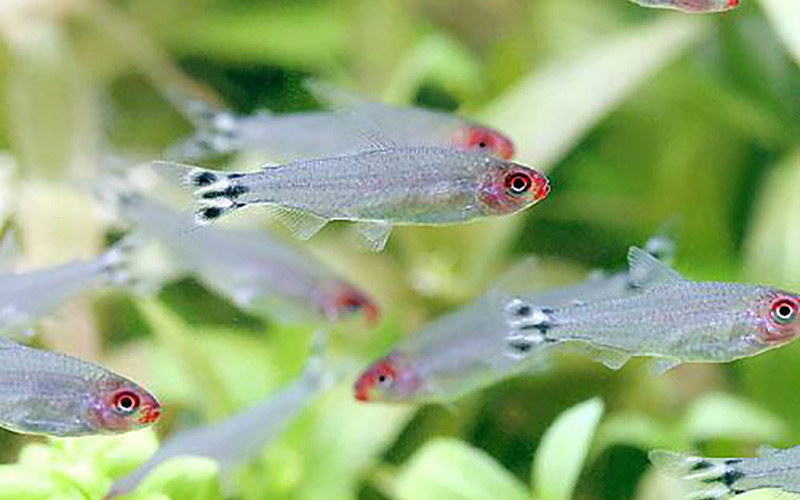
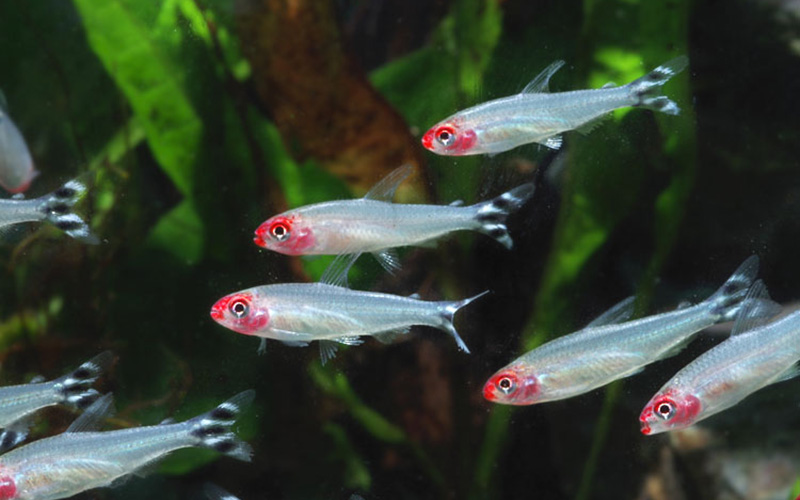
ラミーノーズテトラの最大の特徴は、銀色の体と真っ赤に染まった頭部、そして尾びれに入った白黒のしましま模様の3点セットにあります。体の形はネオンテトラやカージナルテトラと同じようなシャープなフォルムですが、発色のパターンがまったく異なり、ひと目で識別できます。体長は成魚で約4〜5cmほど。小型魚の中ではやや大きめで、群れて泳ぐと水槽の中に赤い点滅がリズミカルに広がるような美しさがあります。
ラミーノーズテトラは臆病な一面を持ちながらも、同種での群れ行動を好みます。野生では数百匹規模の大群で川を泳ぐことが確認されており、飼育下でも10匹以上まとめて入れると安心して行動するようになります。単体や少数では物陰に隠れがちになるため、まとまった数での飼育がこの魚の真の姿を引き出すポイントです。
ラミーノーズテトラの成り立ち・歴史
ラミーノーズテトラとして流通している魚には、実は3種類の近縁種が存在します。最も一般的なのが今回紹介する Hemigrammus bleheri(ブレヘリ)で、著名なドイツの魚類探索家・ホルスト・ブレーアー氏(Horst Bleher)にちなんで命名されました。ブレーアー氏は南米・東南アジアを中心に数多くの新種を発見・紹介したことで知られており、この魚もその探索の中で世界的に広まった種のひとつです。
残りの2種は Hemigrammus rhodostomus(ロードストマス)と Petitella georgiae(ジョルジャエ)で、いずれも外見が非常によく似ています。ショップでは「ラミーノーズテトラ」として3種が混在して販売されることも珍しくなく、厳密な種の判別はアクアリストの間でも話題になることがあります。一般的な飼育においては3種の扱いはほぼ同じで、混泳や水質の好みも共通しています。
日本では1980〜90年代の熱帯魚ブームの中で普及が進み、ネオンテトラやカージナルテトラと並ぶ人気小型カラシンとして定着しました。現在の流通個体はほぼすべてが東南アジア(タイ・シンガポールなど)での養殖個体で、状態が安定していて丈夫なため、初心者にも扱いやすい種として広く流通しています。
飼育アドバイス:ショップで「ラミーノーズテトラ」と書かれていても複数の近縁種が混ざっている場合がありますが、飼育方法はどれもほぼ同じなので、見た目が気に入ったものを選んで大丈夫です。
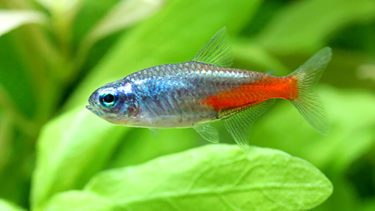
水槽の中を流れるように群れ泳ぐ、青と赤の鮮やかなライン——熱帯魚をはじめて見た方でも、思わず「きれい」と声が出てしまうような魚がいます。それがネオンテトラです。名前の由来にもなったメタリックブルーのネオンのような輝きは、熱帯魚の中でもひ[…]
How to keep a rummy-nosed tetra
飼育の基本を押さえれば、初心者の方でも安心して長く楽しめる魚です。まずは基本スペックをしっかり確認し、水槽・フィルター・ヒーター・エサそれぞれのポイントを押さえていきましょう。
基本スペック一覧
| 項目 | 目安・詳細 |
|---|---|
| 学名 | Hemigrammus bleheri |
| 分類 | カラシン目カラシン科ヘミグランムス属 |
| 原産地 | 南米(ブラジル・コロンビア)ネグロ川・メタ川流域 |
| 体長 | 約4〜5cm |
| 寿命 | 約3〜5年(飼育環境により異なる) |
| 適水温 | 25〜27℃(ヒーター必須) |
| 適pH | 6.0〜7.0(弱酸性〜中性。繁殖時は5.5〜6.5が理想) |
| 水硬度(GH) | 4〜12°dH(軟水〜中硬度) |
| 推奨水槽 | 45cm以上(10匹以上なら60cm以上を推奨) |
| filter (esp. camera) | 外掛け式・スポンジフィルター・外部フィルターなど(強い水流は苦手) |
| heater | 必要(26℃固定式がおすすめ) |
| feed | 小型熱帯魚用フレーク・顆粒・冷凍アカムシなど |
| 難易度 | ★★☆☆☆(比較的飼いやすいが水質管理が必要) |
水槽の選び方
ラミーノーズテトラは体長こそ4〜5cmと小型ですが、群れで泳ぐ習性があるため、その美しさを最大限に楽しむにはある程度の広さが必要です。10匹以下の少数飼育なら45cm水槽でも可能ですが、20匹以上まとめて泳がせるなら60cm水槽(水量約60L)が最適です。水量が多いほど水質が安定しやすく、病気のリスクも下がります。
水槽内には水草(ウィローモス・アマゾンソード・ミクロソリウムなど)を植えることをおすすめします。原産地のネグロ川は水草が豊富で木々が水面を覆う薄暗い環境のため、水草が作る陰や隠れ場所はラミーノーズテトラが精神的に落ち着くうえで非常に有効です。また、底砂は暗めの色(ソイルや黒砂)を使うと、魚の赤い頭部がいっそう際立って美しく映えます。
おすすめ(水槽セット)
GEX マリーナ600BKST LED&デュアルクリーンセット ── 水槽・フィルター・LEDライトが一式揃うラミーノーズテトラ飼育のスタートセット
60cm水槽・上部フィルター・LEDライトがひとまとめになったオールインワンセットです。「何を買えばいいかわからない」という初めての方が最初に手に取りやすい構成で、届いたその日から水槽の立ち上げに取り掛かれます。ラミーノーズテトラを20匹前後まとめて飼う場合もこの水量であれば水質が安定しやすく、群れ泳ぎを思う存分楽しめます。LEDライトは魚の赤い頭部と銀色の体をきれいに照らし出してくれます。
ポチップフィルターの選び方
ラミーノーズテトラはもともと流れの穏やかな水域に生息しているため、強すぎる水流は大きなストレスになります。水流に逆らって泳ぎ続けることで体力を消耗し、食欲が落ちたり衰弱したりすることがあります。上部フィルターや外部フィルターを使う場合は、排水口の向きを水槽の壁側に当てて水流を分散させる工夫が有効です。
最もおすすめなのはスポンジフィルターまたは外掛けフィルター(水流調整機能付き)です。スポンジフィルターはろ過バクテリアの定着率が高く、ラミーノーズテトラのような小型魚が吸い込まれる心配もありません。繁殖を視野に入れている場合は特にスポンジフィルターが安心です。
おすすめ(外掛けフィルター)
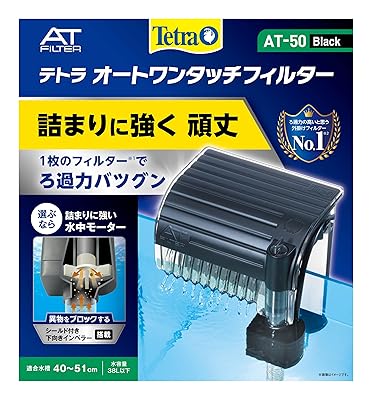
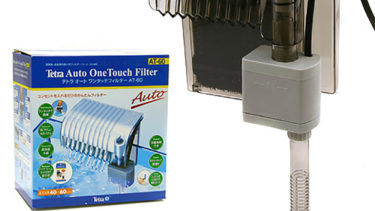
Tetra オートワンタッチフィルター ATシリーズ ── 水流調整ダイヤル付きで小型魚に優しいろ過が実現
水流の調整がダイヤル一つで行えるのがこのフィルターの最大の特徴です。ラミーノーズテトラのように強い流れを嫌う小型魚には、水流をしっかり絞れることが重要で、このシリーズはその点で多くのアクアリストから長く支持されています。フィルターカートリッジの交換も簡単で、メンテナンスを苦にしたくない初心者の方に特に向いています。
 ポチップ
ポチップHow to choose a heater
ラミーノーズテトラは熱帯魚ですので、ヒーターは必須の器具です。適水温は25〜27℃で、これを下回ると免疫力が低下し白点病などの病気にかかりやすくなります。逆に28℃を超える高水温も体への負担になるため、一年を通じてこの範囲をキープすることが大切です。
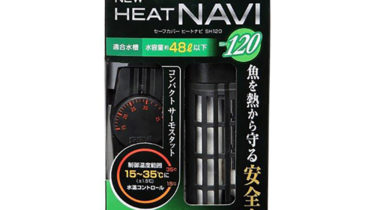
初心者の方には26℃固定式のオートヒーターが最もおすすめです。温度調整が不要で、コンセントを挿すだけで自動的に26℃を維持してくれるため、うっかり温度設定を誤るリスクがありません。ある程度経験を積んだら、水温を細かく設定できるサーモスタット+ヒーターの組み合わせにステップアップするのも良いでしょう。
おすすめ(26℃固定式ヒーター)
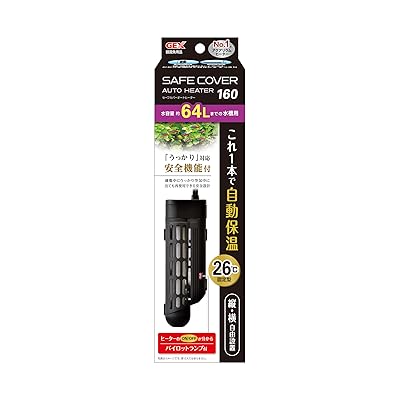
GEX AQUA HEATER セーフカバーオートヒーター ── コンセントを挿すだけで26℃をキープ、安全カバー付きのラミーノーズテトラ飼育の基本ヒーター
コンセントを挿すだけで自動的に26℃を維持してくれる固定式ヒーターです。ヒーター本体をすっぽり覆う安全カバーが付いているため、ラミーノーズテトラが直接ヒーターに触れてやけどするリスクを防いでくれます。温度設定の手間がなく誤操作のリスクもないため、はじめてヒーターを扱う方でも安心して使っていただけます。
 ポチップ
ポチップエサの選び方
ラミーノーズテトラは体が比較的小型のため、粒の細かい小型熱帯魚専用のフレークフードや顆粒タイプが基本のエサです。フレークタイプはそのまま与えると大きすぎる場合があるので、指先で細かくつぶしてから与えると食べやすくなります。1日1〜2回、2〜3分以内に食べきれる量を目安に与えてください。食べ残しは水質悪化の原因になるため、残った場合は取り除くか量を調整しましょう。
栄養バランスを高めたいときや食欲を刺激したいときは、冷凍アカムシや冷凍ミジンコを週2〜3回与えると体色がいっそう鮮やかになります。とくに赤い頭部の発色を維持・向上させたい場合は、アスタキサンチンを含む色揚げ効果のあるフードを取り入れると効果的です。繁殖前の親魚の体力づくりには生き餌(ブラインシュリンプ)が非常に有効です。
飼育アドバイス:ラミーノーズテトラは水温の急変と水質悪化にとても敏感です。購入後の水合わせ(パック内の水と水槽の水温・水質を少しずつ合わせる作業)はしっかり時間をかけて行いましょう。最初の1〜2週間を乗り越えると、ぐっと丈夫になります。
おすすめ(小型熱帯魚用フード)
Tetra テトラミン ── 世界中で支持される小型熱帯魚の定番フレークフード
テトラミンは小型熱帯魚の餌として世界中で最も広く使われているフレークフードのひとつです。栄養バランスが良く消化吸収にも優れており、ラミーノーズテトラの体色維持にも効果的です。フレーク状なので水面に浮き、魚が食べやすい高さに留まります。指先で細かくほぐしてから与えると、さらに小さな個体にも安心して与えられます。
水槽を立ち上げたばかりの頃、ヒーターのコーナーに立ってみると種類の多さに戸惑った経験はありませんか?「オートヒーター」「サーモスタット一体型」「観賞魚用クーラー」――棚を眺めるほど、どれを選べばいいのか分からなくなってしまうものです。[…]
Points to keep in mind when mixing swimmers
ラミーノーズテトラは温和でおとなしい性格の魚です。縄張り意識も攻撃性もほとんどなく、同種同士はもちろん、水質の好みが近い小型魚とうまく共存できます。その一方で、体格が大きな魚や攻撃的な魚と同居させると一方的にいじめられたり、最悪の場合は捕食されてしまうこともあります。混泳相手の性格・サイズ・水質の好みの3点をしっかり確認したうえで選ぶことが、長期維持の秘訣です。
混泳に向いている種
- ネオンテトラ ─ 水質・水温の好みが一致しており、群れに自然に溶け込む定番の組み合わせ
- カージナルテトラ ─ 同じカラシン科の近縁種で相性は最高。ネグロ川出身という点でも親和性が高い
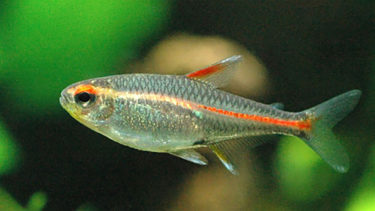
- グローライトテトラ ─ 温和で同じ弱酸性環境を好む小型カラシン。体色のコントラストも美しい
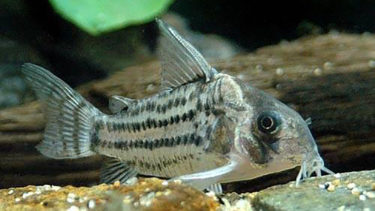
- コリドラス ─ 底層を生活圏とする底物魚で、ラミーノーズテトラと水層が重ならず食べ残しの掃除役にもなる
- オトシンクルス ─ コケを主食とする小型ナマズで、ラミーノーズテトラに干渉せず共存できる
- ミナミヌマエビ・ヤマトヌマエビ ─ 基本的には共存可能だが、稚エビはラミーノーズテトラに食べられることがあるため注意
- ラスボラ・エスペイ ─ 同じ弱酸性の水質を好み、温和な性格で混泳向き
混泳に注意が必要な種
- グッピー・プラティ ─ 水質の好みがやや異なる(グッピーは中性〜弱アルカリ性を好む)ため、どちらかの適正範囲から外れやすい
- スマトラ ─ ヒレをかじる習性があり、ラミーノーズテトラのヒレを傷つける可能性がある
- ベタ ─ 単独飼育が原則の種で、混泳すると小型魚を攻撃するリスクがある
混泳に向いていない種
- エンゼルフィッシュ ─ 見た目は優雅でも肉食性が強く、ラミーノーズテトラを食べてしまうことがある。体格差があるほど危険
- ディスカス・オスカー ─ 大型シクリッドは肉食性が強く、ラミーノーズテトラは格好の餌になってしまう
- 大型ナマズ・プレコ ─ 大型種はラミーノーズテトラを食べるリスクがある。オトシンクルスなど小型種はOK
- アロワナ・ガーなどの大型肉食魚 ─ 絶対に混泳させてはいけない組み合わせ
飼育アドバイス:「口に入るサイズは食べられる」というのが熱帯魚混泳の基本です。ラミーノーズテトラは約4〜5cmなので、それより大きな口を持つ魚との混泳は慎重に検討してください。迷ったときは「温和な小型魚同士」を原則にすると失敗が少ないです。
水槽の底をトコトコと歩くように泳ぐ、丸くてずんぐりとした体型——。コリドラスを初めて目にしたとき、その愛らしいシルエットと、ひょこひょこと動き回る仕草に思わず笑顔になった方も多いのではないでしょうか。熱帯魚の入門種として長く愛され続けて[…]
Points about spawning
ラミーノーズテトラを飼育していると、いつか繁殖に挑戦してみたいと思う方も少なくないと思います。飼育自体は比較的取り組みやすいこの魚ですが、繁殖となるとやや難易度が上がります。とはいえ、しっかりと手順と環境を整えることで、自家繁殖は十分に可能です。
産卵のタイミングと見分け方
ラミーノーズテトラは生後約4〜6ヶ月で成熟し、繁殖可能な状態になります。メスのお腹がふっくらと丸みを帯びてきたときが産卵が近いサインです。オスはメスに寄り添うように泳ぎ、軽くメスのまわりを旋回するような求愛行動が見られます。また、健康な個体は頭部の赤みがいっそう鮮やかになることがあり、これも繁殖期の状態が整っているサインのひとつです。
繁殖に向いた個体を選ぶ際は、体のサイズが小さめ=比較的若い個体を選ぶのが基本です。ショップで購入する際に若い個体を選んでおくと、購入後に繁殖期を迎えさせやすくなります。また、複数匹(オスメス各3〜5匹程度)を一緒に飼育することで、ペアが自然に形成されやすくなります。
産卵から稚魚育成の流れ
| ステップ | 内容 |
|---|---|
| 1. 繁殖用水槽の準備 | 20〜30L程度の小型水槽を用意。pH 5.5〜6.5・GH 2〜4°dHの軟水弱酸性に調整。照明は暗め(または消灯)にする。ウィローモスや産卵床を入れ、フィルターはスポンジフィルターを使用 |
| 2. ペアを移して産卵 | 成熟したオス・メスのペアを繁殖用水槽へ移す。産卵は夜明けごろに行われることが多く、卵を水草の葉や底砂に産みつける。産卵後は親を元の水槽に戻す(卵・稚魚を食べるため) |
| 3. 卵の孵化と稚魚の育成 | 卵は24〜48時間で孵化。孵化した稚魚は最初の数日間はヨークサック(卵黄嚢)の栄養で生きる。5〜7日後から口が開くので、ブラインシュリンプの幼生や専用の稚魚用フードを与える |
| 4. 成長と親水槽への合流 | 2〜3週間で体長1cm程度に成長。徐々に親水槽の水質に近づけながら水合わせを行い、体長が2cm以上になったら親水槽へ合流させる |
稚魚用の水槽でヒーターをどうするか悩む方も多いのですが、ラミーノーズテトラは熱帯魚なので稚魚にもヒーターが必要です。親水槽の仕切りを使って稚魚スペースを作る専用器具もショップで販売されていますので、そういったアイテムを活用するのも良い方法です。
飼育アドバイス:ラミーノーズテトラの稚魚は光に敏感です。強い光を当て続けると弱ってしまうため、繁殖水槽の照明は控えめにして、水草でほどよく影を作ってあげましょう。
金魚を飼い続けていると、いつかはきっと「増やしてみたい」と思う日が来ます。泳ぎ回る小さな稚魚の姿を想像するだけで、胸が高鳴りますよね。しかし、金魚の産卵は決して簡単なものではありません。正しい知識なしに挑んでしまうと、せっかく育てたメス[…]
What to look for when keeping a rummy-nosed tetra
単独ではなく複数匹でまとめて飼育する
ラミーノーズテトラは群れで泳ぐことで精神的に安定する魚です。1〜2匹だけ水槽に入れると怯えてほとんど泳がなくなり、ストレスで体調を崩すことがあります。最低でも10匹以上、できれば20匹以上でまとめて飼育しましょう。群れで泳ぐ姿がラミーノーズテトラ最大の魅力であり、まとまった数がいてこそその美しさが際立ちます。
強い水流を避ける
元記事でもお伝えしてきたとおり、ラミーノーズテトラは強い水流が苦手です。水流に逆らって泳ぎ続けると体力を消耗し、免疫力が落ちて病気にかかりやすくなります。フィルターの排水口の向きを工夫したり、水流の弱いフィルターを選んだりして、穏やかな水流をキープしましょう。
水温の急変と低水温に注意する
熱帯魚であるラミーノーズテトラは寒さに弱く、水温が22℃を下回ると免疫力が低下し病気にかかりやすくなります。特に季節の変わり目や冬場はヒーターが正常に機能しているか定期的に確認してください。水換えの際に冷たい水道水をそのまま大量に入れると水温が急変しショック状態になることがあります。換え水の温度は必ず水槽の温度に合わせてから入れましょう。
購入直後の状態管理を丁寧に
ショップから連れてきたばかりのラミーノーズテトラは、輸送ストレスと環境の変化で免疫力が落ちています。購入後はしっかり水合わせを行い、最初の1〜2週間は餌の量を少なめにして様子を見ましょう。この時期に白点病などの病気が発症しやすいので、毎日観察する習慣をつけることが大切です。
赤い頭部の発色が薄くなったら要注意
ラミーノーズテトラの頭部の赤みは健康のバロメーターです。水質悪化・栄養不足・ストレス・病気の初期症状として、赤みが薄くなったりくすんだりすることがあります。もし発色の変化に気づいたら、水質検査・水換え・エサの見直しを早めに行いましょう。早期発見・早期対処が長期飼育の鍵です。
かかりやすい病気と対策・予防
ラミーノーズテトラは比較的丈夫な魚ですが、水質悪化や水温の急変があると病気にかかりやすくなります。以下の病気は特に注意が必要なものです。早期発見・早期治療が重要ですので、毎日の観察を欠かさないようにしましょう。
ich (Ichthyophthirius multifiliis)
体表や鰭に白い粒(白点)が付着する、熱帯魚でもっとも一般的な病気です。水温低下や水質悪化をきっかけに発症しやすく、放置すると急速に悪化します。
- 治療:市販の白点病治療薬(マラカイトグリーン系)を使用し、水温を28〜30℃に上げると効果的です。
- 予防:ヒーターで水温を安定させ、水換えを定期的に行うことが最大の予防策です。
おすすめ(白点病治療薬)
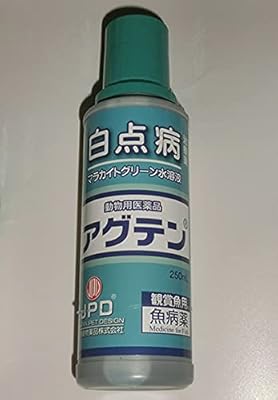
日本動物薬品 アグテン ── 白点病・コショウ病に素早く効く定番マラカイトグリーン系治療薬
白点病の初期〜中期に素早く効果を発揮するマラカイトグリーン系の治療薬です。コショウ病(ウーディニウム症)にも対応しており、熱帯魚の原虫性疾患に幅広く使用できます。水草への影響が比較的少ないため、本水槽での使用にも向いています。購入直後の魚を導入する際のトリートメントにも活用できます。
 ポチップ
ポチップdegenerative eye disorder caused by cloudiness in front of the pupil
ヒレの端から溶けるように壊死していく細菌性の病気です。水質悪化・傷・ストレスがきっかけとなりやすく、進行すると体幹部にも及びます。
- 治療:エルバージュエースなど抗菌剤を使った薬浴が効果的です。
- 予防:定期的な水換えと水質管理、混泳相手からの傷を防ぐ適切な混泳選びが重要です。
おすすめ(尾ぐされ病・細菌性疾患治療薬)
日本動物薬品 エルバージュエース ── 尾ぐされ病・穴あき病・松かさ病に強力に効く抗菌治療薬
細菌性の疾患に対して強力な効果を発揮するエルバージュエースは、尾ぐされ病・穴あき病など重篤な細菌感染症の治療薬として多くのアクアリストに信頼されています。少量でも十分な効果があるため、小型水槽での使用でも計量しやすい点も魅力です。症状が進行してからでも遅くありませんが、早めの使用が回復への近道です。
 ポチップ
ポチップwater mold
体表や傷口に白い綿状のカビが生える病気です。水温が低下した際や傷口が原因で発症しやすいです。
- 治療:グリーンFクリアを使った薬浴が有効です。患部が大きい場合は綿棒で直接除去することもあります。
- 予防:水温を適正に保ち、傷ついた個体をすぐに隔離して清潔な水で管理することが予防につながります。
おすすめ(水カビ病治療薬)
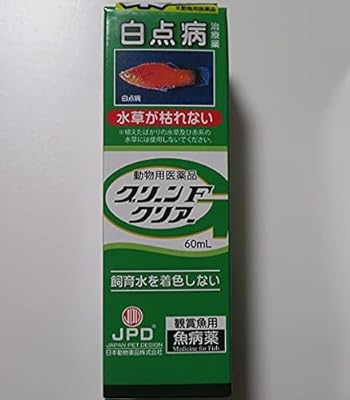
日本動物薬品 新グリーンFクリア ── 水カビ病・白点病に透明で使いやすい液体タイプ治療薬
水カビ病・白点病・コショウ病に対応した液体タイプの治療薬です。透明な薬液なので水槽の水の色が変わらず、観察しながら治療を進められるのが大きな特徴です。水草やバクテリアへの影響が比較的少なく、本水槽でも使いやすい処方になっています。
 ポチップ
ポチップpine cone disease
体表のウロコが逆立ち、松かさのように見える重篤な病気です。エロモナス菌による感染が主原因で、一度発症すると完治が難しいため早期発見が重要です。
- 治療:グリーンFゴールドリキッドなど抗菌剤の薬浴を行います。塩浴(0.5%塩水浴)を併用することもあります。
- 予防:水質を清潔に保ち、魚の免疫力を落とさないことが最大の予防です。ストレスを与えない環境づくりが重要です。
おすすめ(松かさ病・エロモナス感染症治療薬)
日本動物薬品 グリーンFゴールドリキッド ── 松かさ病・穴あき病・エロモナス感染症に効く液体抗菌薬
エロモナス菌やカラムナリス菌による細菌性疾患に対して効果を発揮する液体タイプの抗菌薬です。松かさ病の早期〜中期に使用することで回復の可能性を高められます。液体なので計量が簡単で、水槽のサイズに合わせた量を正確に投薬しやすいのが特徴です。
 ポチップ
ポチップ病気を防ぐ基本ケア
- 週1回・1/3程度の定期的な水換えを継続する
- ヒーターの動作確認を毎日行い、水温を安定させる
- 毎日観察して魚の様子・発色・食欲の変化を早期にキャッチする
おすすめ(水質調整・コンディショナー)
Tetra パーフェクトウォーター ── 水換えのたびに使える万能コンディショナー。ラミーノーズテトラの健康維持に
水道水に含まれるカルキ(塩素)や重金属を無害化しながら、魚の粘膜保護成分・有益なミネラルを同時に補給できる万能コンディショナーです。水換えのたびに使うことで、ラミーノーズテトラが敏感な水質の安定に直接貢献します。新しい水への馴染みが良くなり、導入直後のストレス軽減にも効果的です。
 ポチップ
ポチップ推奨飼育セットの提案
これからラミーノーズテトラの飼育を始める方に向けて、必要な器具をカテゴリ別にまとめました。何を揃えればいいかわからないという方は、この表を参考に準備してみてください。
| カテゴリ | おすすめ | 選び方のポイント |
|---|---|---|
| water tank | 60cm水槽 | 20匹以上の群れ飼育が前提なら60cmが最適。水量が多いほど水質が安定しやすい |
| filter (esp. camera) | 外掛け式またはスポンジフィルター | 水流を弱くできるタイプが必須。強い流れは体力消耗の原因になる |
| heater | 26℃固定式オートヒーター | コンセントを挿すだけで自動管理。サーモスタット付きにすると細かい温度調整も可能 |
| 照明 | LED水槽ライト(RGB対応推奨) | ラミーノーズテトラの赤い頭部が映えるライトが理想。水草育成にも対応したものを選ぶと便利 |
| 底砂 | 暗色のソイルまたは黒砂 | 暗い底砂は発色を引き立てる効果がある。ソイルは弱酸性水質の維持にも貢献する |
| feed | 小型熱帯魚用フレークフード | テトラミンなど定番品が安心。冷凍アカムシを補助食として与えると発色向上に効果的 |
| water plant | ウィローモス・アヌビアス・ミクロソリウム | 陰性水草は管理が楽でネグロ川のイメージに近い。産卵床としても活用できる |
| chemicals | アグテン(白点病)・エルバージュエース(細菌病) | 病気発生時に素早く対処できるよう常備しておくと安心 |
飼育アドバイス:最初からすべて最高の器具を揃える必要はありません。まずは水槽・フィルター・ヒーターの3点セットと魚を揃えることから始めて、慣れてきたら少しずつアップグレードしていくのがおすすめです。
「フィルター(ろ過器)って、どれを選べばいいの?」――アクアリウムを始めようとすると、必ずこの壁にぶつかります。外部式・上部式・投げ込み式・底面式・スポンジ式……種類が多すぎて、どれが自分に合っているのかわからない。「とりあえず安いやつ[…]
よくある質問(FAQ)
頭から尾びれの先まで一本走るメタリックブルーのライン、そしてその下を覆う燃えるような真っ赤な体色——水槽に泳ぐカージナルテトラを初めて見たとき、「熱帯魚ってこんなに鮮やかなんだ」と思った方も多いのではないでしょうか。10匹・20匹と群れ[…]
まとめ
ラミーノーズテトラは、「派手すぎず、でも存在感がある」という絶妙な魅力を持った熱帯魚です。真っ赤に染まった頭部と銀色に輝く体、尾びれの白黒模様——この3つのデザインが組み合わさった姿は、水槽の中でただようように群れ泳ぐとき、まるで生きた芸術品のような美しさを見せてくれます。元記事でも伝えてきたとおり、この魚の一番の見どころは「群れの美しさ」にあります。ぜひ10匹以上まとめて飼育して、その本当の魅力を体験してみてください。
飼育のポイントをまとめると、弱酸性〜中性(pH 6.0〜7.0)・水温25〜27℃の安定した水質を維持すること、強い水流を避けること、ヒーターを必ず使用すること、そして十分な数(最低10匹以上)でまとめて飼育することが長期飼育の鍵です。水槽内に水草や流木を配置してネグロ川の環境に近づけると、発色がより鮮やかになり繁殖への意欲も高まります。
ラミーノーズテトラは、はじめて熱帯魚を飼う方にも、すでに水槽を持っている方にも、どちらにとっても「ぜひ一度は飼ってみてほしい」と自信を持っておすすめできる魚のひとつです。ショップで赤い頭の群れを見かけたとき、ぜひ立ち止まって眺めてみてください——きっと水槽に迎え入れたくなるはずです。
熱帯魚専門店に初めて足を踏み入れたとき、「こんなに種類があるのか」と圧倒された経験はありませんか。水槽の中を流れるように泳ぐ青と赤の光、岩陰でゆっくりと体を揺らす優雅な大型魚、ガラス越しに輝く宝石のような小さなエビ。価格も大きさも見た[…]